Permanent Crossings to Fill Long-Standing School Safety Gaps
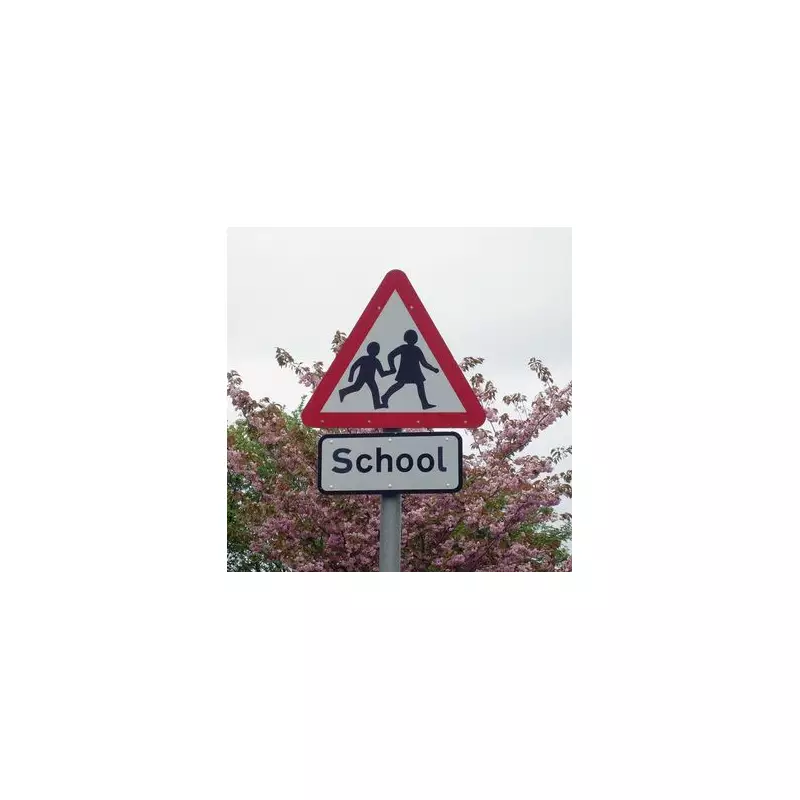
Sandwell Council has announced a significant change to how children will be kept safe on their journey to school. The authority plans to replace five vacant school crossing patrol positions with permanent zebra crossings in a move designed to enhance safety while saving money.
The Labour-run council revealed that nine school crossing patrol positions are currently vacant, with some remaining unfilled for more than 18 months. Several of these crucial safety roles have been empty for over a year, creating concerns about child safety during school runs.
Budget Savings and Community Benefits
This initiative forms part of Sandwell Council's budget proposals for the coming year and is expected to generate annual savings of £25,000 from the authority's day-to-day revenue budget. The council is facing significant financial pressures, with plans to make over £8 million in cuts and savings while using approximately £9 million from reserves to cover a £17 million budget shortfall for 2026/27.
Council tax increases and higher charges for garden waste collections are also planned to help address the financial gap. The replacement crossings will be capital-funded, meaning the cost comes from a different budget than the ongoing revenue required to pay crossing patrol staff.
Enhanced Safety Around the Clock
According to the council's budget proposal, the change will provide "safe, all-day community access" while making use of annual grants available for permanent road safety improvements. The specific locations for the five new zebra crossings haven't been confirmed but will be those "best served by a permanent crossing."
Councillor Keith Allcock, Cabinet Member for Environment and Highways at Sandwell Council, emphasised that "road safety is our highest priority." He highlighted the borough's impressive safety record, noting that Sandwell has halved road casualties over the past 20 years, with child casualties reduced by an even more remarkable 67%.
"We want to find permanent solutions to allow parents to have confidence that children can cross our roads safely," Councillor Allcock stated. "These new crossings will also be there all day, every day providing a welcome road safety improvement that benefits the whole community."
The move was discussed by the council's budget scrutiny committee during a meeting on November 5. Alan Lunt, the council's director for place, explained to councillors that "it is difficult to recruit" for these positions. He added that replacing vacant posts with physical crossings "ensures the safety for children crossing the road and ultimately it does generate an efficiency compared to the cost of employing a school crossing patrol."
This initiative forms part of Sandwell's broader road safety strategy, which includes the Phase 1 Community Road Safety Concern Programme. The first of 38 projects under this programme is scheduled to begin in January, continuing the council's targeted approach combining engineering measures, education, and supporting police enforcement to further improve road safety across the borough.