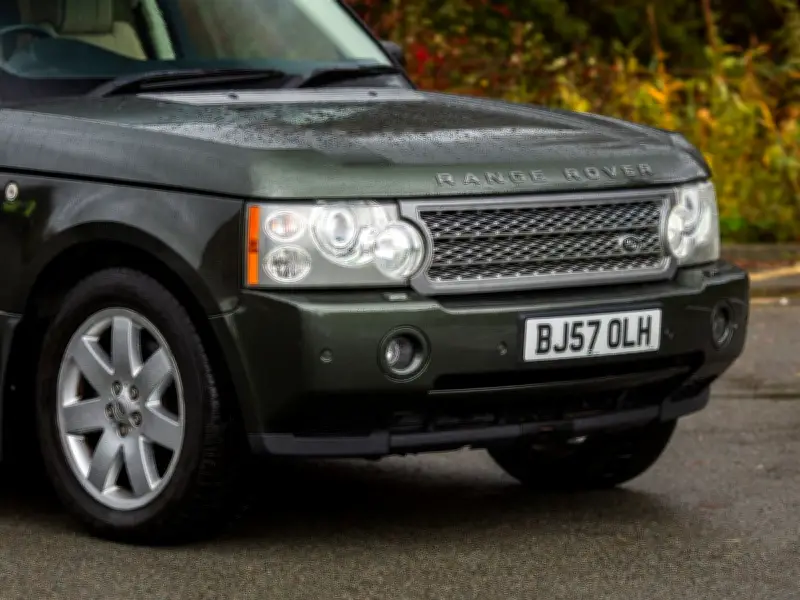
Drivers have been warned that an extra 2,600 crash deaths could occur each year by 2040 due to 'carspreading'—the trend of vehicles getting larger. Since 2000, European manufacturers have increased car dimensions by 1.2cm in length, 0.5cm in height, and 0.5cm in width, leading to greater risks of serious injury or death in collisions.
Impact on Parking and Safety
Cities are expected to lose 8.5-14% of on-street parking by 2040 unless this trend is reversed. London and Berlin are each predicted to lose about 100,000 parking spaces. Lucien Mathieu, an analyst at T&E, said: “This relentless carspreading highlights one critical question: where do we stop? The linear trend is so clear.”
Energy and Environmental Consequences
Brian Caulfield, a transport researcher at Trinity College Dublin, noted: “When viewed through a climate lens, larger vehicles require more energy, regardless of whether they are fossil fuelled or electric. The research suggests this added demand could be equivalent to the output of an extra 1,500 offshore wind turbines.” He added: “Globally, energy grids are already under stress from the electrification of heating, transport, and datacentres; the projected increase in energy demand from larger vehicles will only compound these issues.”
Dangers to Road Users
Hannah Budnitz, a researcher at the transport studies unit of the University of Oxford, said: “Larger vehicles are more dangerous to other road users, take up more space and use more resources, both when they’re manufactured and to keep them in motion.” She added: “In many places, parking bays are marked and are not being re-marked gradually in the way the scenario suggests, meaning that larger vehicles can end up taking up two spaces by default – or overflowing into space for other road users.”