Birmingham's One-Way System Backfires, Creating Traffic Chaos and Business Frustration
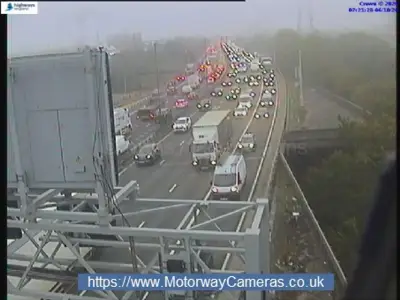
A new one-way traffic system implemented by Birmingham City Council to ease congestion in the city centre is having the opposite effect, according to a local businessman who reports daily gridlock and significant disruption to commerce.
Daily Gridlock and Business Disruption
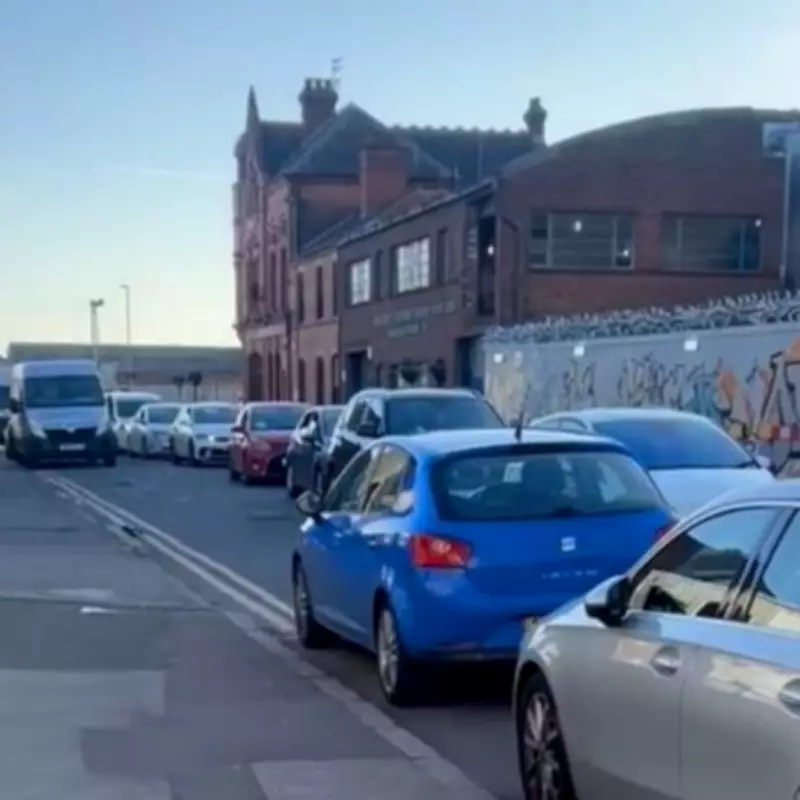
Anthony Harfield, who has operated ADH Automotive in the Digbeth/Highgate border area for 18 years, describes the situation as "chaos" with vehicles "going round and round in circles" unable to reach their destinations efficiently. The one-way streets on Birchall Street and Cheapside, close to the city centre, are causing evening congestion where traffic backs up and drivers frequently go the wrong way out of confusion or frustration.
"Traffic problems are daily. It's the one-way system," Harfield stated. "In a nutshell, they are trying to reduce traffic in the city by dividing it into zones. So if you want to get to another part, you are expected to get out onto the ring road, drive around and go in one way."
Business Impact and Customer Access Issues
The congestion has created substantial problems for local businesses:
- Customers located just 200 yards away must now travel nearly two miles to reach Harfield's garage
- New business has declined significantly as potential customers are deterred by the confusing road system
- Delivery vehicles and construction traffic face major difficulties navigating the area
- Some customers have stopped visiting altogether due to accessibility challenges
Harfield emphasized: "If I didn't have such a good customer base, if I depended on new trade, I would be closed already."
Council Strategy and Response
The changes form part of Birmingham City Council's City Centre Movement and Access Strategy (CCMAS), which supports the broader Birmingham Transport Plan. A council spokeswoman explained the initiative aims to create a safer, cleaner and more accessible city centre by prioritizing public transport, improving walking and cycling facilities, and reducing private vehicle dominance on local streets.
The council stated: "Private vehicles will not be able to travel directly between the different areas, but public transport and active travel modes will. Private vehicles will be able to enter each area from the ring road only."
Regarding current traffic issues, the council attributed them to the "initial bedding in period" and acknowledged that "temporary congestion can occur during construction and the initial bedding-in period of new traffic arrangements, as drivers adjust to the changes."
Safety Concerns and Emergency Access
Harfield raised serious safety concerns, noting that emergency services have encountered difficulties:
- Police vehicles have been observed going the wrong way on restricted roads
- During a fire incident at the Islamic Relief warehouse, rapid response vehicles reportedly struggled to access the area
- Confusing signage contributes to dangerous driving behaviors
The council responded that "emergency access remains fully protected" and that measures were designed in consultation with emergency services to ensure response times aren't compromised.
Long-Term Implications and Community Response
Harfield described the scheme as "well-intentioned but ill thought out" and questioned why construction work wasn't completed before implementing the one-way system. He suggested alternative locations like Bradford Street, which is predominantly residential, would have less business impact.
"No one I have spoken to thinks it's a good idea," Harfield reported. "It was never a problem before. And it's been shoved down our throat."
The council maintains that despite some route changes, all locations remain accessible and the strategy will ultimately reduce non-local through-traffic that previously caused congestion and safety issues on streets like Birchall Street and Cheapside.