Diesel Drivers Confront 'Far Worse' Fuel Price Crisis Than Anticipated
All diesel drivers across the UK have been issued a stark warning that the situation is "far worse" than expected, as fuel prices continue to climb sharply. Following further increases at the pumps, RAC head of policy Simon Williams has spoken out, highlighting the severe impact on households.
Sharp Rises in Fuel Costs
Mr Williams cautioned: "Given how many rely on their cars, households are really feeling the effects of the conflict in the Middle East." The average price of unleaded petrol has now risen more than 14p per litre to 147.19p since the end of February, adding £8 to the cost of filling up a family car, which currently stands at £81. Petrol was last this high in early June 2024.
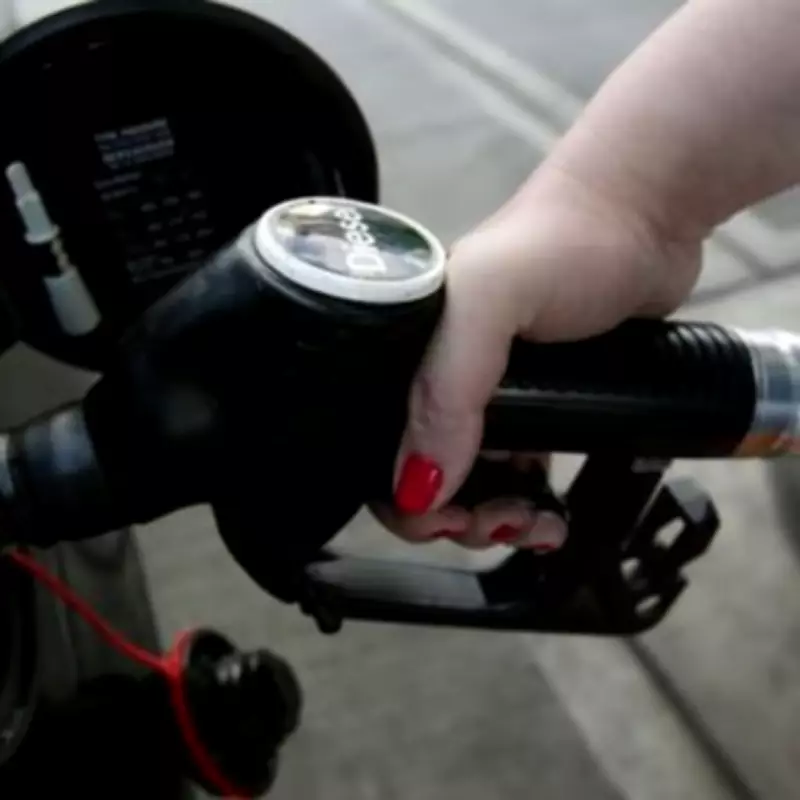
For drivers of diesel vehicles, the situation is particularly dire. A litre has surged 29p to 171.17p, marking its highest price in over three years since mid-January 2023. This means a tank now costs £94, which is £16 more than it did at the start of the conflict.
Easter Travel Concerns
With a barrel of oil trading well over $100 for the last three days and expected to remain at that level, drivers are in for a rough ride at the pumps in the run-up to the Easter break. "There is no end to price increases in sight," Williams noted.
He added: "With the price of petrol likely to go above 150p a litre in the next week and diesel heading to 180p, it's looking like it will be the most expensive Easter on the roads since the early days of the war in Ukraine in 2022."
Broader Economic Implications
This warning comes a day after suggestions that Labour Party chancellor Rachel Reeves had been planning to ease the UK’s existing windfall tax, the energy profits levy, before the US and Israel attacked Iran on 28 February.
KPMG has warned that the rate of economic growth could be almost halved this year compared with 2025, from 1.3% to 0.7%, as the energy shock drags down spending. Yael Selfin, the chief economist at the accountancy firm, stated: "The weaker growth outlook coupled with growing cost pressures will likely see firms scale back any investment plans over the coming year."
Consumers could also cut back on discretionary spending to offset the squeeze from higher prices, further impacting the economy.