UK Drivers Urged to Slow Down as Fuel Prices Set to Rise Further
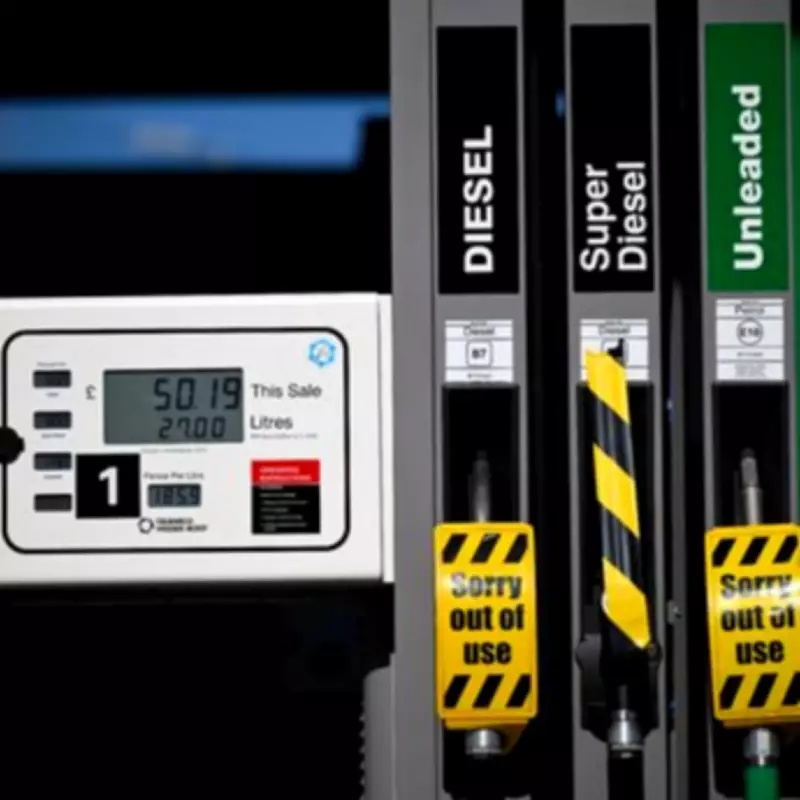
Drivers across the United Kingdom are being strongly encouraged to adhere to new speed limits and consider staying home when feasible, amid growing concerns that petrol and diesel prices could continue to escalate in the coming weeks. This urgent advice comes as the conflict in the Middle East has triggered significant spikes in fuel costs, with unleaded petrol surging by 14.4p per litre and diesel prices soaring dramatically, now standing 28.2p per litre higher than less than a month ago.
Expert Recommendations for Fuel Efficiency
Experts at LKQ Euro Car Parts have emphasized that reducing driving speed is one of the most effective ways for motorists to conserve fuel and mitigate the financial impact of rising prices. They explained that driving at high speeds on dual carriageways and motorways forces engines to operate at higher RPMs, which significantly increases fuel consumption. By simply slowing down on these fast roads, drivers could achieve substantial savings.
The most efficient speed range for driving is between 55 and 65 miles per hour, and choosing to drive at 70mph instead of 80mph on a motorway could result in a 25% improvement in fuel efficiency. This adjustment not only helps reduce expenses but also contributes to safer driving practices and lower emissions.
Global Energy Crisis and Household Impacts
The International Energy Agency (IEA) has echoed these sentiments, urging households to work from home whenever possible to decrease oil consumption. Fatih Birol, the IEA Executive Director, highlighted the severity of the situation, stating, "The war in the Middle East is creating a major energy crisis, including the largest supply disruption in the history of the global oil market. In the absence of a swift resolution, the impacts on energy markets and economies are set to become more and more severe."
Adding to the concerns, Simon Williams, head of policy at the RAC, warned that drivers face a challenging period ahead. With oil prices trading well over $100 per barrel for several consecutive days and expected to remain elevated, motorists are likely to experience continued price hikes at fuel pumps. He noted, "As a barrel of oil has been trading well over $100 for the last three days and looks set to remain at that level, drivers are in for a rough ride at the pumps in the run-up to the Easter break with no end to price increases in sight."
Williams further predicted that petrol prices could exceed 150p per litre in the near future, while diesel might reach 180p per litre, potentially making this the most expensive Easter on the roads since the early stages of the Ukraine war in 2022. These projections underscore the urgent need for drivers to adopt fuel-saving measures to manage the escalating cost of living.