DVLA Letters Demand £200 Payment from Drivers with Specific Number Plates
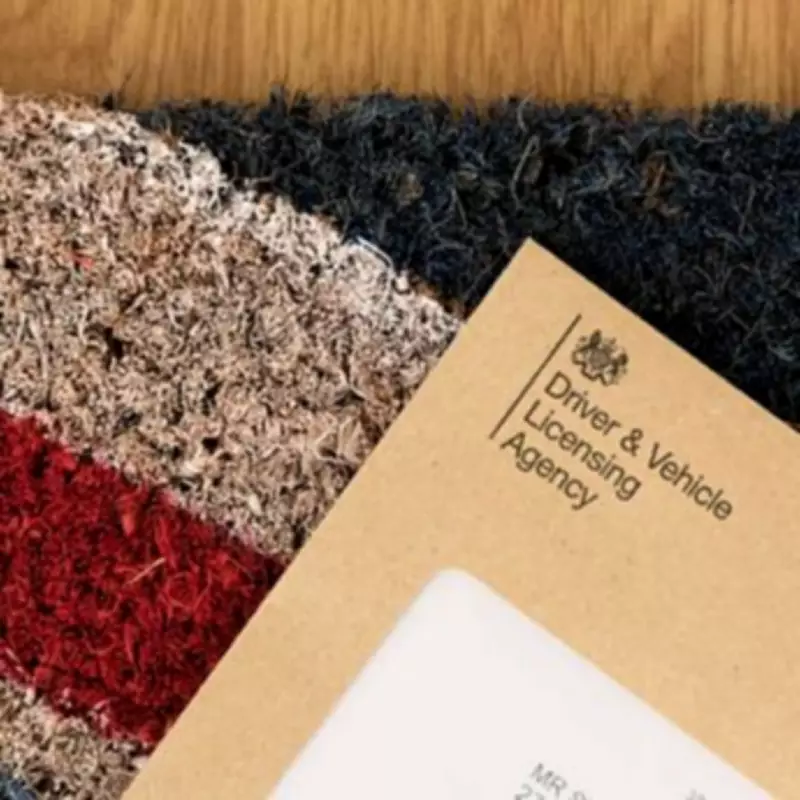
Millions of motorists across the country are set to face significantly higher vehicle tax charges as the Government implements another increase in standard rates. Letters from the Driver and Vehicle Licensing Agency (DVLA) demanding an increased payment of £200 will soon begin arriving at households throughout the United Kingdom.
New Vehicle Tax Rates Take Effect in April
The standard rate of vehicle excise duty (VED), commonly known as road tax, is being hiked once again by the Government. This change means it will now cost exactly £200 to tax most cars manufactured after 2017 for a full twelve-month period. This represents an increase of £5 compared to previous rates, with the new fees officially applying from April 2026 onwards.
These revised rates will apply to the majority of cars sold over the past nine years, specifically targeting models with number plates ranging from 17/57 onwards. Households will receive their DVLA letters when it is time for their vehicle tax renewal, ensuring drivers are properly notified of the increased financial obligation.
Exceptions and Additional Charges for Luxury Vehicles
While older vehicles or brand new motors may be subject to lower charges under different tax bands, expensive cars purchased for over £40,000 face an additional financial burden. Owners of these premium vehicles must fork out an extra £425 as part of the so-called 'luxury' car tax, significantly increasing their annual motoring costs.
Furthermore, electric vehicle owners who previously enjoyed exemption from vehicle tax will now need to pay the standard rate. This policy change marks a significant shift in how environmentally friendly vehicles are taxed, removing previous incentives for zero-emission transportation.
RAC Clarifies Complex Tax Structure
The motoring organisation RAC has provided clarification on the complex vehicle tax structure, stating: "If your vehicle had a list price that exceeded £40,000 when it was first sold (or £50,000 if your car is electric) then you may also be liable for the 'luxury car tax' fee, which adds £425 to the vehicle's annual VED costs - taking it up to £620."
The organisation further explained: "You may pay less or more if your car was first used before 2017. The exact fee for your annual road tax will boil down to the year your car was first registered, the type of fuel it uses and its tailpipe emissions."
Regarding electric vehicles specifically, the RAC confirmed: "Electric cars no longer qualify for free road tax, and in April 2026 EV drivers will start paying the £200-a-year flat rate." This represents a substantial change for environmentally conscious motorists who previously benefited from tax exemptions for their zero-emission vehicles.
The vehicle tax increase comes as part of broader Government fiscal measures affecting millions of drivers nationwide, with the DVLA implementing the changes through its standard renewal notification process.