Drivers Urged to Fill Up Before Cold Snap Hits This Week
Motorists across the UK have been instructed to complete one crucial task before Wednesday, with experts strongly advising against driving without doing so. Wintery weather is forecast to arrive this week, bringing low temperatures and potential snowfall to many regions.
Forecast Predicts Widespread Cold and Snow
According to weather charts, temperatures are expected to plummet to as low as -3°C in central Scotland on Wednesday, with most of the country experiencing temperatures between -2°C and 2°C. Northern England will see temperatures between 0°C and 4°C, while the Midlands and East Anglia will range from 3°C to 5°C. Southern England is predicted to be slightly warmer at 4°C to 6°C.
Wales and Northern Ireland are also set for cold conditions, with temperatures between 0°C and 3°C. The forecaster indicates snow is likely in north and central Scotland, Northern Ireland, northern England, Wales, and parts of the Midlands and East Anglia.
The Met Office has confirmed the changing conditions, stating: "Turning colder over the next few days. Sunny spells and blustery showers on Wednesday with snow over northern hills. Drier on Thursday, then cloudy on Friday with outbreaks of rain."
Expert Advice for Winter Driving
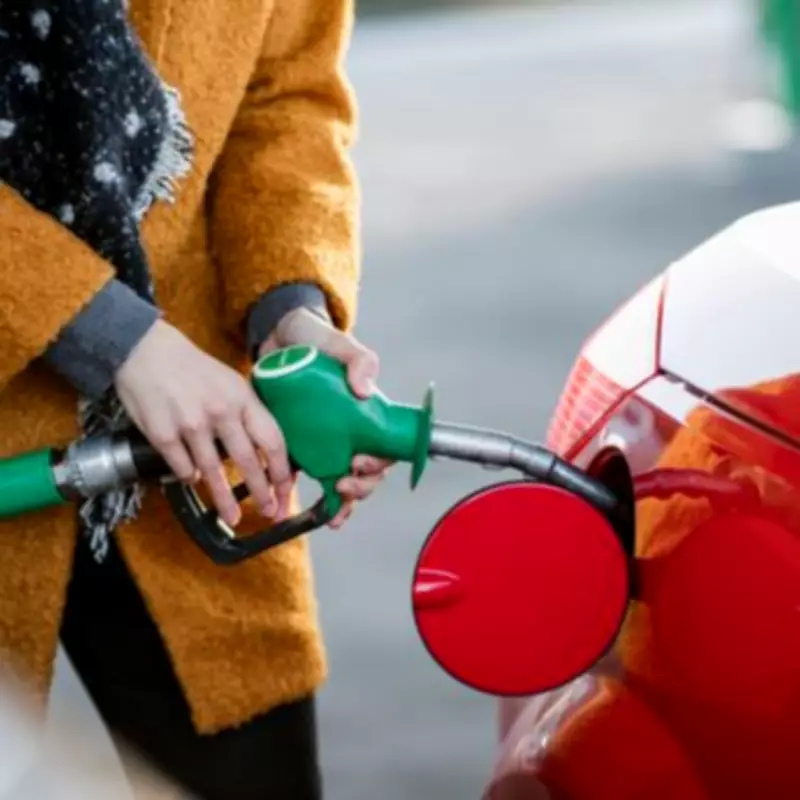
With this weather approaching, experts at Motors.co.uk have issued clear guidance to drivers: "Always fill up with a full tank of fuel before heading on a long journey. Being stuck on the side of the motorway in zero-degree conditions isn't ideal."
This advice serves a dual purpose - ensuring drivers have sufficient fuel for their journeys and potentially helping them save money at the garage.
Cold Weather Fuel Benefit Revealed
MoneySavingExpert's Martin Lewis has highlighted an additional benefit of filling up during colder weather. Because fuel pumps are calibrated by volume and temperatures are typically colder at night, drivers can actually get a tiny bit of extra fuel when they fill their tanks in cold conditions.
This occurs because fuel density increases slightly in colder temperatures, meaning the same volume contains marginally more fuel molecules. While the difference is small, it represents an unexpected advantage for motorists filling up during winter months.
Essential Winter Driving Preparation
The RAC provides comprehensive guidance for driving in snow and ice conditions, recommending drivers prepare for every eventuality. Their essential checklist includes:
- A demisting pad and torch (preferably wind-up to avoid battery issues)
- A hi-vis vest for visibility if breaking down
- A blanket for warmth
- Food and drink supplies
- Spare screenwash, de-icer, and ice scraper
- A shovel for snow clearance
Additional recommended items include a phone charger, map, first aid kit, warning triangle, jump leads, and a square of carpet that can be placed under drive wheels if vehicles become stuck in snow.
Experts emphasize that proper preparation is crucial for safe winter driving, with fuel levels being a particularly important consideration given the forecast conditions.