Fuel Price Monitoring Intensified as UK's Fuel Finder Tool Faces Technical Issues
The Labour Party government's newly launched "cheap fuel finder" tool is encountering significant operational challenges, leading to warnings for UK drivers and heightened scrutiny from regulatory authorities. The service, designed to help motorists locate affordable fuel, has been hampered by widespread failures in price reporting from petrol stations across the country.
Widespread Non-Compliance with Price Reporting Regulations
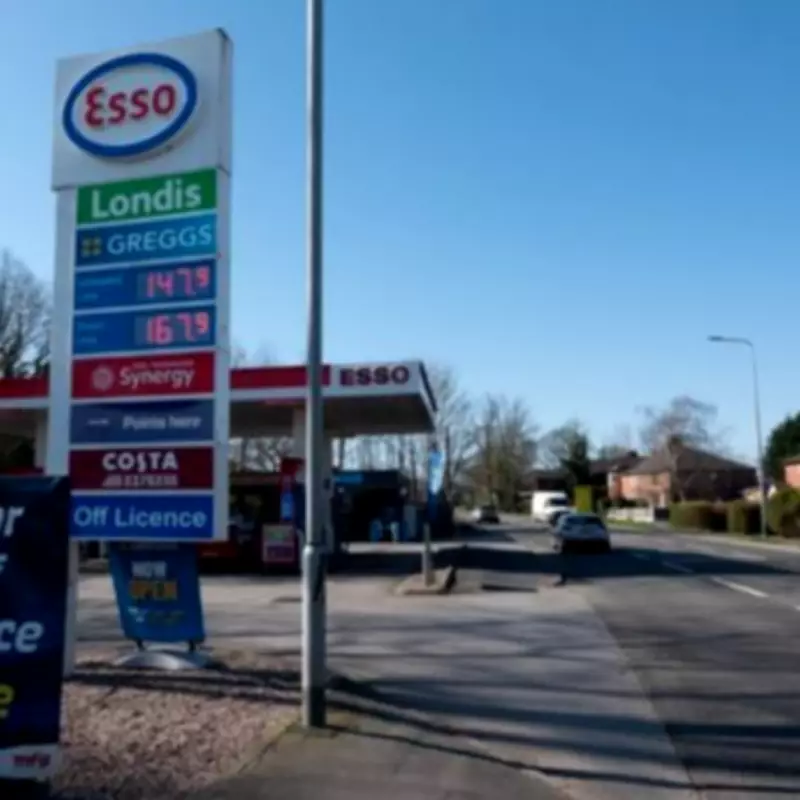
According to recent data, approximately 20 percent of petrol stations have failed to update their fuel prices on a weekly basis, despite daily price fluctuations occurring at many forecourts due to market volatility. Furthermore, 15 percent of retailers enrolled in the scheme have not reported a single pump price since the regulations became effective in February. An additional 10 percent of petrol stations have yet to be integrated into the Fuel Finder service altogether.
Under the current regulations, fuel retailers are legally required to update the government portal within 30 minutes of any pump price change. This mandate aims to ensure transparency and help consumers make informed decisions amid rising fuel costs.
Regulatory Response and Industry Criticism
The Competition and Markets Authority (CMA) has announced plans to "step up monitoring of petrol and diesel prices" in response to these reporting failures. The regulatory body has also informed retailers that "formal requirements to supply revenue, costs and sales data will be brought forward" to enhance oversight and compliance.
Industry insiders have expressed significant concerns about the Fuel Finder's technical implementation. A motoring industry source who uses the tool daily described it as "amateurish" in both technology and backend operations. "When you first look at it, it appears superficially very good," the source explained. "But very quickly when you dig into it you find out what an absolute nightmare it is. There are so many basic errors."
The source further contrasted the current system with previous arrangements, noting: "The voluntary system that was put in place as an interim was actually very good. Then the formal scheme was designed and it's just awful."
Expert Analysis and Government Response
Steve Gooding, director of the RAC Foundation, emphasized the urgency of addressing these issues. "Ministers have placed great store on their new Fuel Finder service and while there's often a few bugs to be sorted on any new digital platform, the fact is the current service is falling far short of what's needed," Gooding stated. He added that pressure must be maintained on the Department for Energy Security and Net Zero (DESNZ) and the CMA to resolve these problems promptly, particularly as motorists monitor pump prices amid geopolitical tensions affecting global oil markets.
A spokesperson for DESNZ acknowledged the challenges while outlining corrective measures. "We are acting at pace to ensure that all fuel retailers register and report prices on Fuel Finder," the spokesperson said. "In the last week we have secured Asda reporting their prices, and we are working with major search engines to integrate Fuel Finder data."
The department emphasized the tool's potential benefits, stating: "Fuel Finder will play a crucial part in our work to tackle the cost-of-living head on, with potential savings for households who own a car of around £40 a year at the pump."
As the government works to improve the Fuel Finder's functionality and compliance rates, UK drivers continue to face uncertainty regarding accurate fuel price information during a period of significant economic pressure and market instability.