Transport for London (TfL) has unveiled an ambitious new strategy to transform the city's streets over the next five years, with a significant expansion of cutting-edge AI-powered traffic cameras at its core. This initiative, announced by Mayor Sadiq Khan, aims to tackle congestion head-on while creating safer and more efficient journeys for millions of residents and visitors.
A New Era of Intelligent Traffic Management
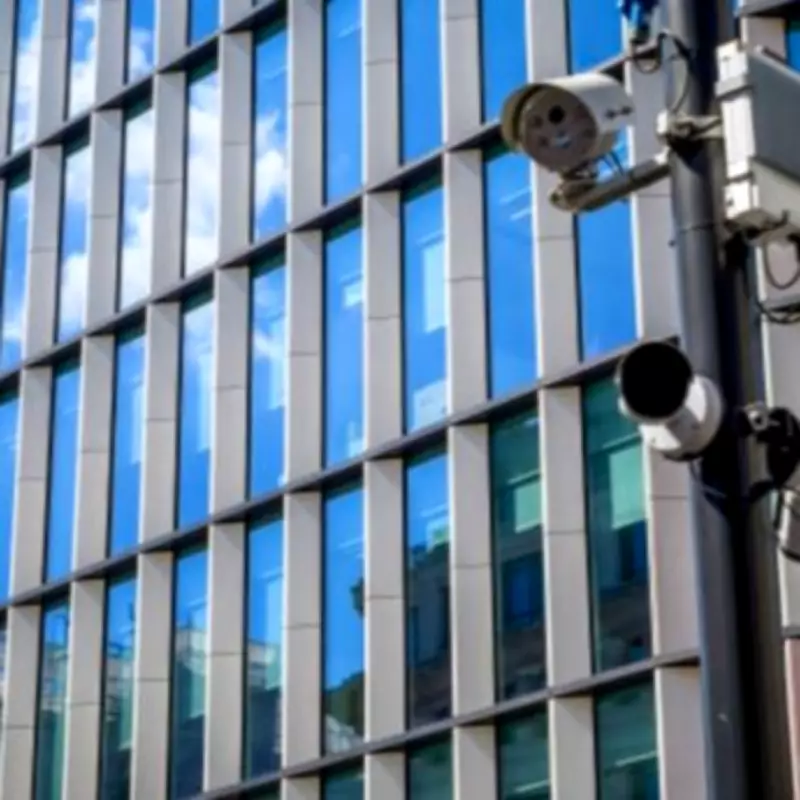
The plan represents London's first-ever comprehensive, city-wide roadworks strategy focused on leveraging technological innovation. Central to this approach is the wider deployment of Vivacity AI cameras across the capital. Unlike conventional monitoring systems, these advanced cameras utilise artificial intelligence to accurately distinguish between various modes of transport, including pedestrians, cyclists, wheelchair users, taxis, and heavy goods vehicles.
Data-Driven Decisions for a Smoother City
This sophisticated technology will generate more inclusive and detailed data on how people and vehicles move through London's complex network. The insights gathered will inform smarter urban planning decisions, such as optimising pedestrian crossing times and improving traffic flow. TfL is collaborating closely with local boroughs through a data-sharing agreement, granting access to intelligence from over 1,000 cameras already in operation.
Mayor Sadiq Khan emphasised the critical importance of this initiative, stating: "I'm committed to making London's transport network as safe, efficient, and sustainable as possible. Congestion is annoying for everyone, and it costs our economy millions of pounds a year. This innovative new strategy will tackle the causes of congestion head on."
Broader Transport Improvements Underway
The AI camera expansion is part of a broader package of measures designed to revolutionise London's mobility. The strategy includes enhanced bus priority measures to accelerate journey times for millions of passengers. Currently, 2,080 traffic signals are equipped with bus priority technology, with ambitious plans to extend this to all 3,500 signals that buses encounter by 2030.
A Vision for a Greener, More Accessible Capital
Mayor Khan outlined the long-term vision behind these technological investments: "This bold new approach to managing the capital's streets will ensure they work for everyone: harnessing cutting-edge technology and infrastructure to reduce congestion, keep Londoners safe, and speed up journey times. These improvements are vital to achieving my ambition for 80 per cent of journeys to be made by walking, cycling or public transport, as we continue building a greener and better London for everyone."
The five-year plan underscores a significant shift towards data-led governance and smart city solutions, positioning London at the forefront of urban transport innovation while addressing the persistent challenges of congestion and road safety.