M6 Speed Limit Reduction Under Consideration in UK Fuel Demand Strategy
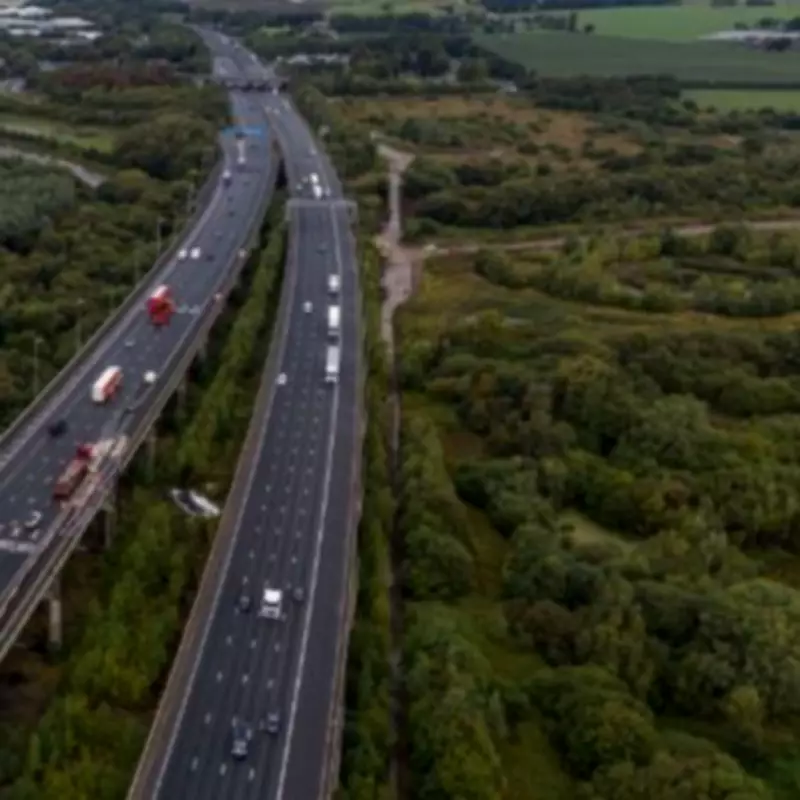
The Labour Party government is reportedly developing contingency plans that could include reducing speed limits on major motorways such as the M6, as part of efforts to curb UK oil demand. This initiative comes in response to recommendations from the International Energy Agency (IEA), which has advised emergency measures including increased working from home, following disruptions to fuel supply linked to the Iran war.
Government Analysis of Fuel Reduction Measures
Officials from the Department for Transport are collaborating with the Department for Energy Security and Net Zero (DESNZ) to analyze potential actions to minimize oil consumption. According to reports, lowering speed limits on key motorways is among the options being evaluated to enhance fuel efficiency and reduce dependency on imported oil.
Historical Context and Environmental Precedents
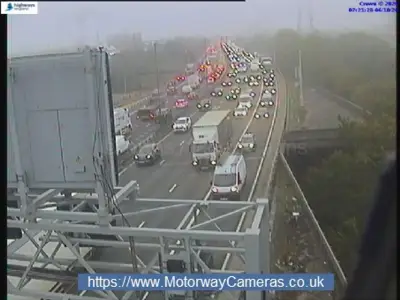
The Guardian newspaper notes that parts of England have previously implemented stricter speed limits to address pollution concerns. For instance, traffic on the M6 near Birmingham has been held to 60mph in past initiatives aimed at cutting emissions, demonstrating a precedent for such measures in environmental policy.
Industry and Political Reactions
Jack Cousens, head of roads policy at the AA, emphasized that drivers should be reassured about current fuel supplies and not alter their fuelling habits unnecessarily. He advised, "Nevertheless, advice to drive as efficiently as possible is something that drivers could adopt at all times to save both fuel and money. Reducing speed and braking less harshly are beneficial. Similarly, linking journeys together contributes to saving fuel."
Richard Holden, the shadow transport secretary, criticized the potential measures, stating, "While the rest of the world races ahead, Labour are telling people to drive slower, stay at home and use less energy – exactly the kind of eco zealotry people are fed up with. Rather than backing domestic production, Labour is flirting with the idea of rationing how people live their lives."
Siân Berry, the Green party transport spokesperson, commented, "The truth is Britain is particularly exposed to energy shocks because it remains heavily reliant on fossil fuels, so global warnings certainly apply here. We would be in a very different position if the Labour government had learned the lessons of the last shock four years ago and properly invested in renewables."
Broader Implications and Future Outlook
This development highlights the ongoing challenges in balancing energy security, environmental goals, and economic stability. As the government continues to assess contingency plans, the potential impact on daily commutes, transportation costs, and broader energy policies remains a key focus for stakeholders across the political and public spectrum.