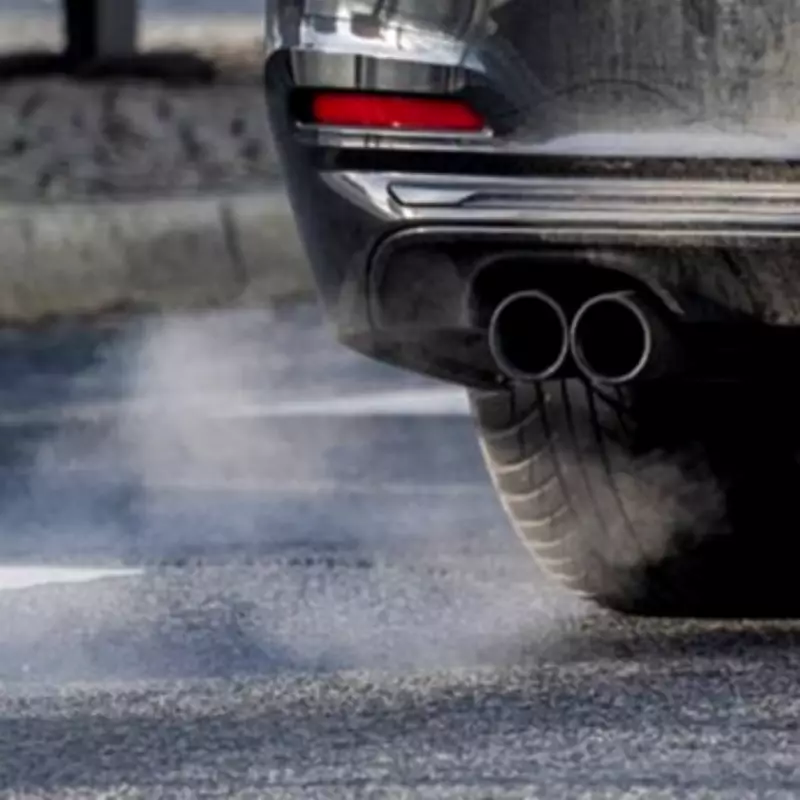
UK Motorists to Encounter New EU Emissions Standards for First Time
Drivers across the United Kingdom could soon experience new European Union driving regulations being implemented domestically for the very first time. The Euro 7 standards, representing the seventh evolution of emissions regulations originally introduced by the European Commission over three decades ago, are scheduled to come into force in November 2026. These updated rules will impact petrol, diesel, and electric vehicles, marking a significant shift in automotive regulation within the UK.
Implementation Timeline and Key Dates
According to EU Regulation 2024/1257, published on the official European Union website, Article 10 specifies that the initial phase of Euro 7 emissions standards will take effect from November 29, 2026. This date specifically applies to newly launched cars and vans rather than models introduced prior to this deadline. Brand new vehicle models will not receive EU type approval unless they comply with these stringent requirements.
The subsequent phase commences on November 29, 2027, when all cars and vans available for sale must meet the emissions standards. This includes vehicles that were put on the market before Euro 7 implementation. Failure to comply will result in prohibition from being sold to customers, creating a comprehensive regulatory framework for the automotive industry.
Regulatory Adjustments and Exemptions
The Department for Transport has outlined these changes as part of new European Union proposals designed to simplify vehicle regulations while supporting the transition to electric vehicles. The document indicates that existing testing procedures are already effective, noting that real-world checks sufficiently demonstrate compliance at low temperatures.
Under the revised proposals, electric vans weighing up to 4.25 tonnes could be exempt from certain requirements. This exemption acknowledges the additional mass resulting from battery systems in electric light goods vehicles. Furthermore, the EU intends to establish a new category called "small electric vehicles," encompassing cars under 4.2 meters in length. This initiative represents the first step toward implementing targeted measures to encourage the adoption of compact electric vehicles.
Specific Amendments and Regional Application
The regulatory document confirms three proposed amendments to the testing and approval process for vehicles under Euro 7 requirements. First, the low-temperature laboratory test for Euro 7 will be eliminated since it is adequately covered by the existing Real-world Driving Emissions test. Second, the regulation will be updated to reference "vehicle categories" instead of "vehicle types" for Euro 7 engine type-approval. Third, clarification will be provided regarding the Commission's authority to develop measures ensuring that on-board monitoring and fuel consumption data are effectively received, compiled, processed, and stored in a harmonized manner to monitor real-world performance of Euro 7 vehicle types.
Importantly, the document confirms that in many instances, these new regulations will apply directly in Northern Ireland without requiring additional legislation. This direct application underscores the comprehensive nature of the regulatory changes and their immediate impact across different regions of the United Kingdom.
Background and Regulatory Evolution
Euro 7 represents the latest iteration of emissions standards that have progressively become more stringent over the past thirty years, incorporating modern industry developments and technological advancements. While regulators aim to impose strict emissions limits on all new vehicles sold, these measures must be balanced with manufacturers' ability to meet requirements within specified timeframes. Originally anticipated for mid-2025 implementation, the Euro 7 regulations were delayed to November 2026 due to ongoing debates regarding the strictness of the proposed rules, reflecting the complex negotiation between environmental objectives and industrial practicality.