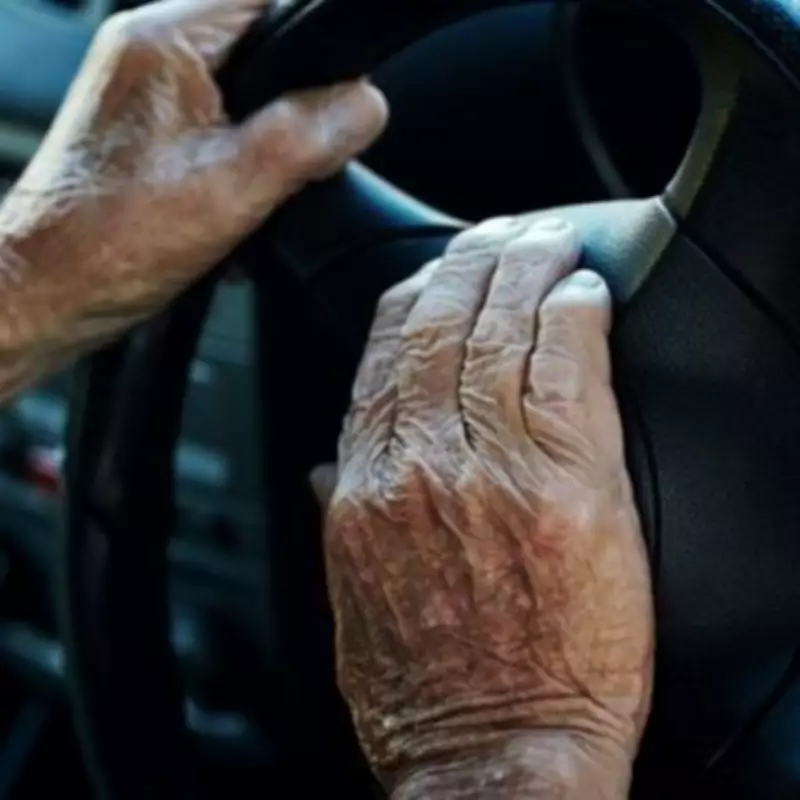
Older Drivers Face Mandatory Eye Tests as DVLA Revokes 32,000 Licences
The Labour Party government has unveiled a new Road Safety Strategy that includes proposals for mandatory eye tests for older motorists. This comes as DVLA data reveals that 32,944 Group 1 car drivers had their licences revoked or refused between 2022 and 2025 due to failing to meet legal eyesight standards.
Widespread Licence Revocations Highlight Vision Concerns
According to information obtained through a Freedom of Information request, a total of 37,121 motorists have had their driving licences taken away for not meeting eyesight requirements. This includes 4,177 drivers with Group 2 licences for buses and lorries who also faced revocation or refusal.
On average, approximately 8,000 drivers are informed annually that they can no longer drive due to poor eyesight. The proposed changes would specifically target drivers over 70, who could be required to undergo eye tests every three years when renewing their driving licences.
Expert Warns of Gradual Eyesight Deterioration
Ben Welham, motoring expert at Marshall Motor Group, emphasized the importance of regular professional eye tests. "Eyesight deterioration usually happens gradually, so drivers might not notice small changes over time," he explained.
"Regular professional eye tests remain the safest way to make sure you meet the legal standard and can continue driving confidently. If road signs don't look as sharp as they used to, headlights feel more dazzling at night, or you find yourself squinting more often, those can all be signs it's time to book an eye test."
Government Aims to Reduce Road Deaths
The proposed measures are part of a broader effort to decrease traffic fatalities and serious injuries on Britain's roads. Last year alone, 1,633 people were killed and nearly 28,000 seriously injured in traffic incidents.
The Road Safety Strategy, expected to be published in full this autumn, may also include proposals to lower the drink-drive limit as part of comprehensive safety improvements. These changes reflect growing concern about road safety standards and the need for proactive measures to protect all road users.