Elderly Drivers Confront 175-Mile Journey to Retain Driving Licenses Under DVLA Regulation
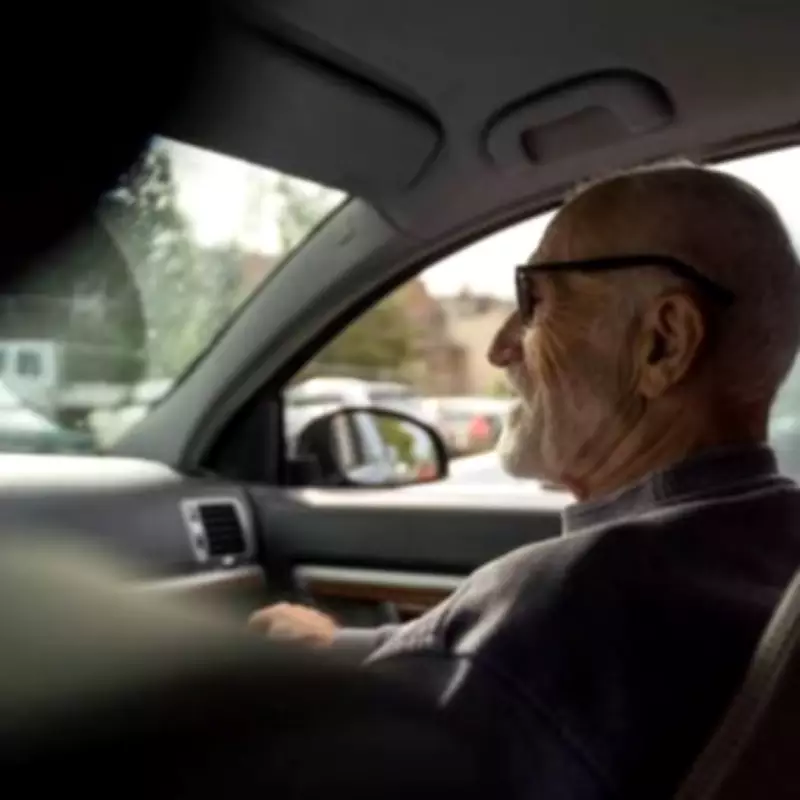
State pensioners across the UK are being warned they may need to undertake lengthy journeys of up to 175 miles or face the loss of their driving licenses due to a DVLA rule requiring specialized eye tests. This issue has come to light through the case of Sue Roberts, a 79-year-old resident from the south west of England, who has been instructed by the DVLA to undergo an official eyesight assessment because of her age.
Case Study: Sue Roberts' Licensing Dilemma
Sue Roberts, who lives in Cornwall, took a routine eye test at her local Specsavers branch in January but did not pass. Following this, the DVLA has mandated that she must travel to the nearest agency-approved medical centre for a formal DVLA eyesight assessment. However, Ms. Roberts has been informed that there are no approved centres in either Cornwall or Devon, with the closest facility located 175 miles away in Somerset.
"If I don't pass, I'll hold my hands up and say, 'Okay, I failed it'. I'll get on with it. I'll get on with not being able to drive," Ms. Roberts stated. "But I think they can see that it's not fair. I'm not going to be the only one that this is going to happen to."
Understanding the DVLA Eyesight Assessment Requirements
The DVLA eyesight assessment is not universally required but becomes necessary under specific circumstances, including:
- Renewing a driving license upon reaching the age of 70, when eyesight standards are reviewed.
- Being referred by a GP or optician due to vision concerns.
- Declaring or developing a medical condition that could impair eyesight and affect driving safety.
The assessment itself focuses on two critical checks to ensure vision meets legal driving standards:
- Distance Vision Test: Similar to a routine eye exam, this involves identifying letters or numbers on a Snellen eye test chart from a distance, reflecting the legal requirement to read a vehicle number plate from 20 meters. Each eye is tested individually.
- Peripheral Vision Test: This examines side vision, which is crucial for noticing other vehicles, pedestrians, and hazards. Participants look straight ahead into a screening device while small points of light appear briefly around the edges of their vision, pressing a button each time one is noticed.
Broader Implications for Elderly Motorists
This situation raises significant concerns about accessibility and fairness for elderly drivers, particularly those in rural areas like Cornwall and Devon. The lack of approved centres in these regions forces pensioners to undertake extensive travel, which can be burdensome and costly. Ms. Roberts' case underscores a potential systemic issue that could affect numerous other state pensioners across the country, prompting calls for a review of DVLA policies to ensure equitable access to necessary assessments.
As the population ages, such challenges may become more prevalent, highlighting the need for improved infrastructure and support for older drivers to maintain their independence while ensuring road safety standards are upheld.