Staffordshire Police Withhold Digital Speed Camera Offence Figures Citing Safety Concerns
In a notable decision, Staffordshire Police has refused to disclose how many drivers have been caught by its new digital speed cameras across the Midlands. The force declined a freedom of information request from BirminghamLive, marking a shift from its previous transparency regarding these advanced devices.
Unprecedented Secrecy Over Speeding Data
This refusal comes despite the police having previously released details of speeding offences detected by the same cameras. The force raised significant concerns that revealing offence figures could lead to more speeding on county roads and frustrate attempts to enhance road safety. Staffordshire Police stated that confirming whether specific cameras were active or disclosing the number of motorists captured would diminish the effectiveness of these safety measures in their area.
Advanced Technology on Key Roads
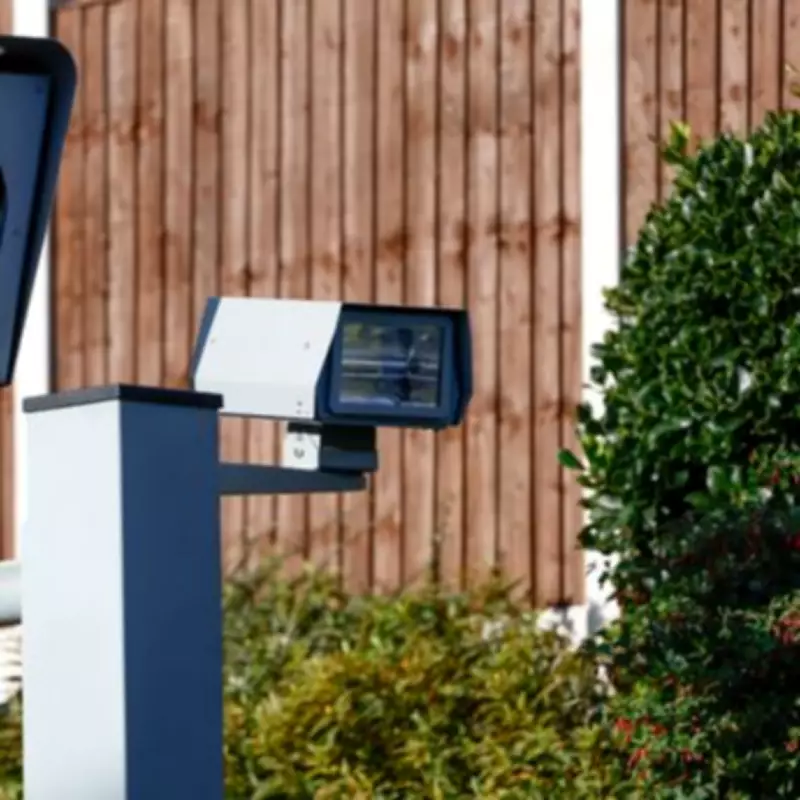
The digital speed cameras are among the most sophisticated in the country, utilizing radar technology to accurately measure vehicle speeds without relying on traditional road markings. Rolled out two years ago on several main roads as part of a campaign against speeding, their locations include:
- The A449 in Stafford, near the Black Country
- A34 Newcastle Road in Stoke-on-Trent
- A5008 Potteries Road in Stoke-on-Trent
- A53 Leek New Road/Baddley Green in Stoke-on-Trent
Previous data obtained through a freedom of information request indicated that approximately 1,200 motorists were caught by these digital cameras in the first half of last year. However, Staffordshire Police has now remained silent on total offences and fines for the entirety of 2025, citing health and safety and law enforcement exemptions.
Police Justification for Non-Disclosure
In their response, Staffordshire Police emphasized that safety cameras are not always active, and they rely on drivers' perception that camera housings could be operational to encourage speed compliance. The force argued that disclosure could have a detrimental impact on driving behavior, potentially leading to an increase in offending and road traffic collisions, thereby placing the public at greater risk of harm.
They added that releasing such information might allow the public to frustrate operational tactics adopted to enforce road traffic law, undermining the police's key function of preventing and detecting crime. Furthermore, they warned that disclosure could encourage motorists to ignore speed limits, putting lives at risk.
This stance highlights the ongoing tension between public transparency and law enforcement strategies in road safety initiatives. As digital speed cameras become more prevalent, the debate over data disclosure is likely to continue, with Staffordshire Police setting a precedent for withholding specific operational details to maintain their deterrent effect.