RAC Issues 'Unprecedented' Fuel Price Warning Amid Global Crisis
The RAC has issued an 'unprecedented' warning to motorists, urging them to drive less and prioritise public transport as fuel prices experience dramatic surges. This call comes amidst deepening global tensions, with experts highlighting a 'very serious situation' that demands immediate action from road users across the UK.
Record-Breaking Price Increases in March 2026
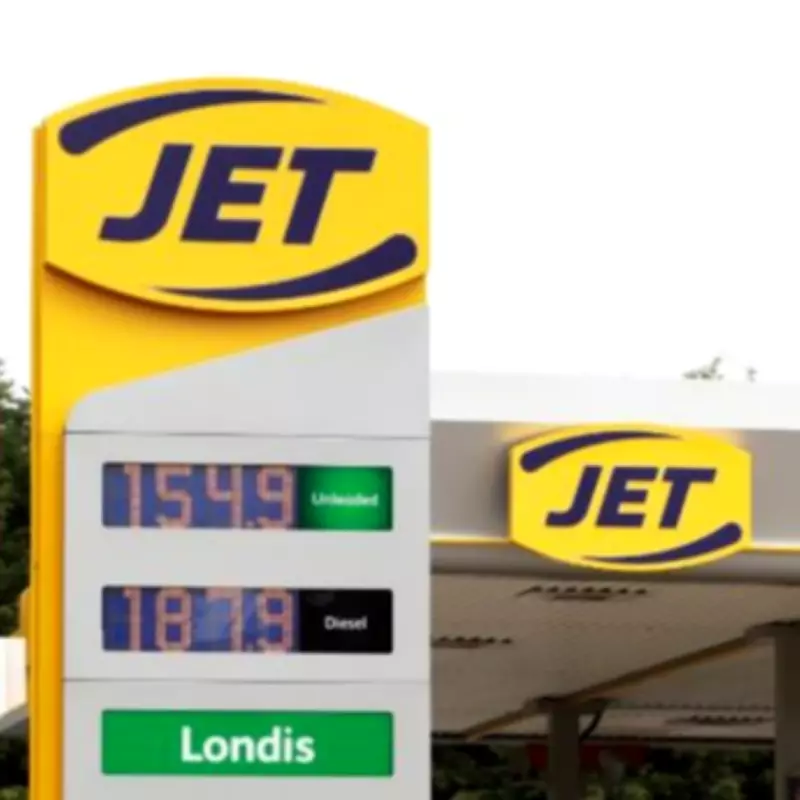
March 2026 has seen truly unprecedented fuel price hikes, according to RAC head of policy Simon Williams. The average price of unleaded petrol rose by 20p per litre, climbing from 132.83p on March 1st to 152.83p by month's end. Even more dramatic was the increase in diesel prices, which jumped by 40p per litre to reach 182.77p from 142.38p.
"March has been truly unprecedented – fuel prices have never risen this fast in a single month," Williams stated. "While this is the biggest pence-per-litre increase ever in a month, it's not as great in real terms as those seen during the 1973 oil crisis when the price of a barrel quadrupled."
Expert Calls for Immediate Behavioural Changes
European energy expert Dan Jørgensen has emphasised the severity of the situation, urging comprehensive changes to driving habits. "Even if peace is here tomorrow, still we will not go back to normal in the foreseeable future," Jørgensen warned. "The more you can do to save oil, especially diesel, especially jet fuel, the better we are off."
Jørgensen's recommendations include:
- Working from home where possible
- Reducing highway speed limits by ten kilometres per hour
- Encouraging public transport use
- Implementing alternate private car access schemes
- Increasing car sharing arrangements
- Adopting efficient driving practices
Impact on Households and Businesses
With RAC research indicating that eight-in-ten people remain dependent on their vehicles, these sudden price increases are taking a significant toll. "The increases drivers have had to endure in March 2026 far exceed those seen in the early days of the war in Ukraine," Williams noted. "While the monthly rise in a litre of petrol is bad enough, the jump in the cost of diesel is even harder to swallow at 40p a litre – 18p more than the previous monthly record."
The timing is particularly challenging with the Easter getaway approaching, expected to be the busiest on roads since 2022 with nearly 21 million leisure journeys planned.
Practical Advice for Motorists
AA President Edmund King offered practical guidance for drivers facing these unprecedented costs. "With petrol up more than 20p per litre and diesel up 40p per litre, it is well worth drivers adapting their driving style and speed both to save money and enhance safety," King advised.
Key recommendations from motoring organisations include:
- Using apps like myRAC or AA App to find the cheapest fuel prices locally
- Maintaining steady speeds rather than aggressive acceleration
- Taking advantage of car sharing opportunities
- Exploring public transport alternatives for regular journeys
- Considering working from home arrangements where feasible
As the situation continues to develop, motorists are encouraged to stay informed about fuel prices and consider all available options to reduce their driving costs during this challenging period.