RAC Issues Critical Fuel-Saving Guide as Pump Prices Soar
The RAC has released an urgent fuel-saving guide, urging drivers to adopt a 45mph to 50mph rule to combat skyrocketing petrol station prices. This comes as the ongoing crisis in the Middle East continues to drive up costs at the pump, putting financial strain on motorists across the UK.
Daily Monitoring and Essential Tips
RAC Fuel Watch, which monitors fuel prices on a daily basis, has compiled a comprehensive list of 10 practical ways to save fuel. The organization emphasizes that while the rising cost of petrol or diesel is largely beyond individual control, simple adjustments can make a significant difference.
"Although the ever-increasing price of petrol or diesel is something beyond our control, there are some surprisingly simple ways to save fuel - rewarding your wallet and the environment," the RAC stated. "Buying a more fuel-efficient car is one way, but not everybody has the money for a new car."
To assist drivers in saving money, the RAC has developed what it calls the ultimate guide to enhancing the economy of your current vehicle. The tips are designed to be accessible and actionable for all motorists.
Key Recommendations for Fuel Efficiency
The 10 essential tips highlighted by the RAC include:
- Maintaining your vehicle regularly
- Knowing when to accelerate appropriately
- Driving in the highest gear possible
- Practicing anticipation while driving
- Utilizing cruise control effectively
- Removing roof racks when not in use
- Managing air conditioning usage
- Avoiding carrying unnecessary weight
- Leveraging modern technology
- Combining journeys to reduce trips
The Optimal Speed Debate
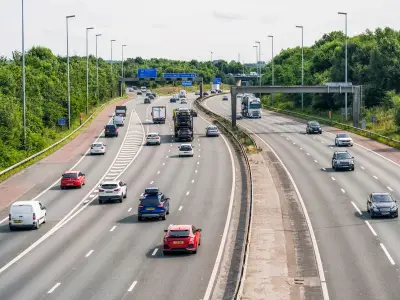
The RAC addressed the common question of ideal driving speeds for fuel economy, noting that road conditions and gradients often require improvisation. "While there is an ideal speed, road conditions and gradients don’t often allow you to do that speed so you have to improvise and learn to adjust your driving according to the road ahead, a technique often referred to as hypermiling," the organization explained.
Historically, 56mph has been discussed as the optimum speed due to old fuel consumption tests conducted at urban, 56mph, and 75mph speeds. However, the RAC clarified that "typically, cars are most efficient at 45-50mph," making this range the current recommendation for maximizing fuel savings.
Additional Practical Advice
Beyond speed management, the RAC stressed the importance of reducing vehicle weight. "Don’t keep unnecessary items in your boot as they all add weight to your vehicle, which is not going to help your fuel economy in the long run," they advised.
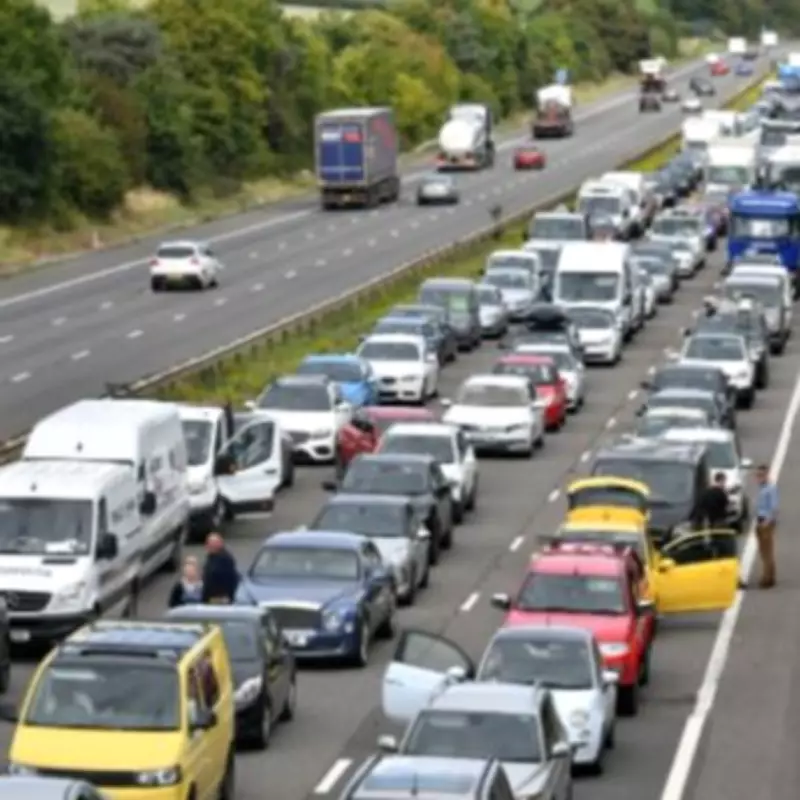
The guide also covers engine idling, with experts recommending shutting off the engine if stationary for 10 seconds or more. "Most experts agree that if you are going to be stationary for 10 seconds or more, then letting your engine shut off and restart is more fuel efficient than leaving it idling," the RAC explained. They highlighted that the average family car can consume up to half a gallon of fuel per hour when idling, equivalent to traveling approximately 25 miles.
As fuel prices continue to climb, these tips offer drivers practical strategies to mitigate costs and promote more economical driving habits in challenging times.