Rachel Reeves Faces Mounting Pressure to Halt Fuel Duty Increase
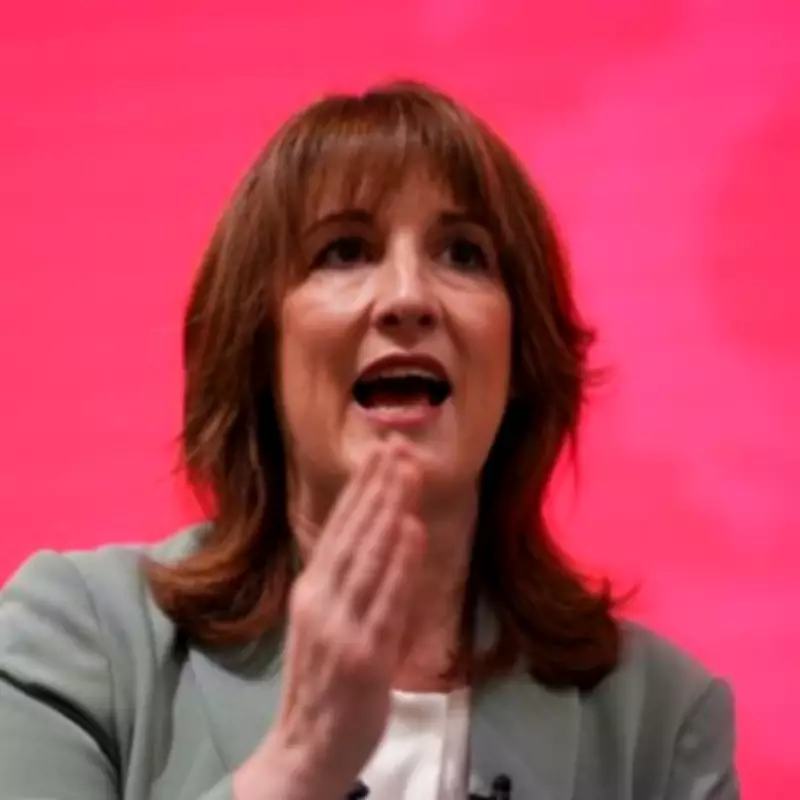
Chancellor Rachel Reeves is confronting urgent calls to scrap a scheduled 5p rise in fuel duty, following alarming figures revealing diesel prices have surged by 23% since the onset of the Iran war involving the USA, Israel, and Iran. The Labour government official is under intense scrutiny as the average price per litre of diesel at UK forecourts hit 176.7p yesterday, amplifying concerns over economic strain.
Industry Leaders Defend Sector and Demand Government Action
Gordon Balmer, executive director of the Petrol Retailers Association, presented evidence to the Energy Security and Net Zero Committee on Wednesday, March 25, emphasizing support from other nations and defending the industry against accusations of profiteering. He stated, "I am not going to allow politicians to make scapegoats of British forecourt operators, by making inflammatory and unjustified accusations of profiteering." Balmer highlighted that retailers retain less than 5% profit per litre of petrol sold, while the government receives approximately 55% from fuel duty and VAT.
He urged the Chancellor to abandon the planned 5p increase and implement immediate short-term cuts, aligning with measures in Eire. Richard Smith, managing director of the Road Haulage Association, criticized the Chancellor's inaction as a "missed opportunity," noting that the haulage industry is a key economic enabler. Smith called for scrapping the fuel duty rise and any future inflation-linked increases, warning it would be a "hammer blow for many firms." He also advocated for an essential fuel user rebate for commercial vehicles to boost business confidence.
Economic Impacts and Broader Consequences
Steve Gooding, director of the RAC Foundation, underscored the financial toll of the war on UK drivers and businesses. He explained, "This puts a financial price on the war not just for UK drivers but also the nation's businesses." Gooding pointed out that fuel prices constitute a significant part of budgets for both households and companies, with higher transport costs likely to be passed on to consumers, exacerbating the cost-of-living crisis.
He added, "Fuel consumption is notoriously inelastic, to use economics jargon, which means that - certainly in the short term - people have little option to change the way they live and so they are stuck with footing the refueling bill despite the increase in cost." The fuel duty has been frozen since 2011, with a temporary 5p reduction following Russia's invasion of Ukraine four years ago, but this relief is set to be phased out from September, intensifying pressure on Reeves to reconsider the policy.