Six Essential Tips to Maximise Fuel Efficiency as Pump Prices Soar
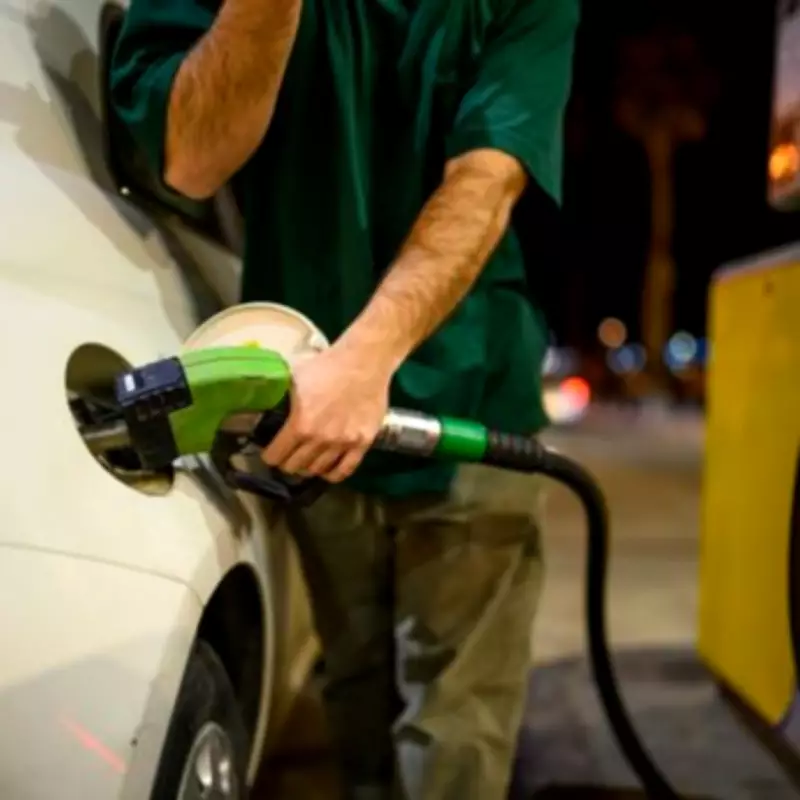
Motorists across the UK are being encouraged to implement six crucial strategies to enhance their vehicle's fuel efficiency in response to escalating fuel costs. The average price for petrol has surged to 135.67p per litre, marking a significant increase from 132.14p just last week and reaching the highest point since December of the previous year.
Diesel prices have also experienced a sharp rise, climbing to 149.01p per litre from 142.15p the week before, which represents the highest level since August 2024. This upward trend in fuel expenses is placing additional financial pressure on drivers nationwide.
Expert Advice for Cost-Effective Driving
Keith Hawes, Director of Nationwide Vehicle Contracts, has highlighted the importance of efficient driving practices amidst fluctuating fuel prices and supply pressures. "As pressure on UK fuel supplies grows and prices fluctuate, driving efficiently has never been more important," Hawes explained. "Small tweaks to your driving habits, car maintenance, and journey planning can significantly improve fuel economy, helping your fuel (and your budget) go further."
Practical Tips to Reduce Fuel Consumption
Drive Smoothly and Maintain Gentle Acceleration
Aggressive acceleration and harsh braking consume fuel at a much higher rate than many drivers realise. Rapid speed increases and sudden stops waste energy and reduce efficiency. Aim for smooth, steady driving by accelerating gradually, maintaining a consistent speed, and anticipating traffic conditions to slow down naturally instead of braking abruptly.
Avoid Peak Traffic Periods
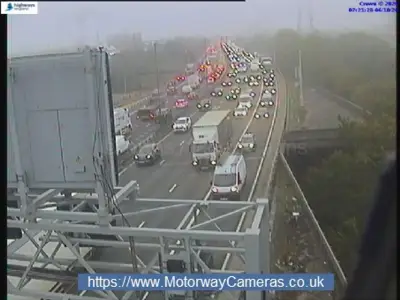
Planning journeys outside of busy times can make a substantial difference in fuel consumption, particularly for longer trips. Heavy traffic leads to frequent stopping, starting, and idling, all of which burn more fuel compared to steady, uninterrupted driving. Whenever possible, schedule travel before 11am or after 7pm to avoid weekend congestion. Electric vehicle owners should also consider charging stops when planning their routes and timings for optimal efficiency.
Keep Windows Closed at Higher Speeds
While opening windows might seem like a fuel-saving alternative to using air conditioning, this is only true at lower speeds. At motorway or dual-carriageway speeds, open windows increase aerodynamic drag, forcing the engine to work harder and use more fuel. Keeping windows closed not only improves efficiency but also enhances cabin comfort and reduces noise.
Regularly Check Tyre Pressure
Underinflated tyres create additional rolling resistance, requiring the engine to exert more effort and consume more fuel. Even a slight drop below the recommended PSI can have a noticeable impact on fuel economy. Check your tyre pressure at least once a month and inflate them to the manufacturer's recommended levels, which are typically found on the door frame or in the vehicle handbook.
Declutter Your Car to Reduce Excess Weight
A lighter vehicle is inherently more fuel-efficient. Remove any unnecessary items, especially heavy or bulky equipment that is not required for your journey. Excess weight increases the engine's workload and diminishes fuel economy. Keeping your boot free of clutter not only improves performance but also leads to long-term savings.
Utilise Start-Stop Technology
If your vehicle is equipped with start-stop technology, allow it to function during prolonged idling periods, such as waiting at traffic lights. Unnecessary idling burns fuel and increases emissions. For vehicles without this feature, putting your car in neutral or turning off the engine when safe to do so can help minimise fuel waste.