Many UK drivers are relying on outdated myths and misconceptions in an attempt to avoid speeding fines, but experts have stepped in to clarify the real rules. These clarifications aim to improve road safety and ensure motorists fully understand the legal boundaries, moving beyond common falsehoods that could lead to costly penalties.
Debunking Common Speed Camera Misconceptions
It is a widespread belief among motorists that certain tactics can outsmart speed enforcement technology. However, the reality is far more stringent, with modern systems designed to be highly effective and difficult to circumvent.
Myth 1: Cameras Have a Limited Capacity
A common fallacy is that high-speed cameras can only film a single car at a time. In truth, these devices are capable of tracking multiple lanes of traffic simultaneously. They can accurately detect speeding offences across the entire width of the road, making no vehicle immune to surveillance.
Myth 2: Lane Changing Tricks Average Speed Cameras
Some drivers think that switching lanes can confuse the technology used in average speed camera zones. This is incorrect. These advanced systems utilise sophisticated automatic number plate recognition software to calculate your average speed regardless of which lane you occupy, ensuring consistent monitoring.
Myth 3: The "10% Plus 2mph" Rule is a Legal Right
Many motorists believe in a so-called "10% plus 2mph" buffer that legally protects them from prosecution. While some police forces may apply this as a discretionary threshold, it is not enshrined in law. Drivers can technically be fined for exceeding the limit by just 1mph, though enforcement varies.
Myth 4: Cameras Must Be Bright Yellow to Be Legal
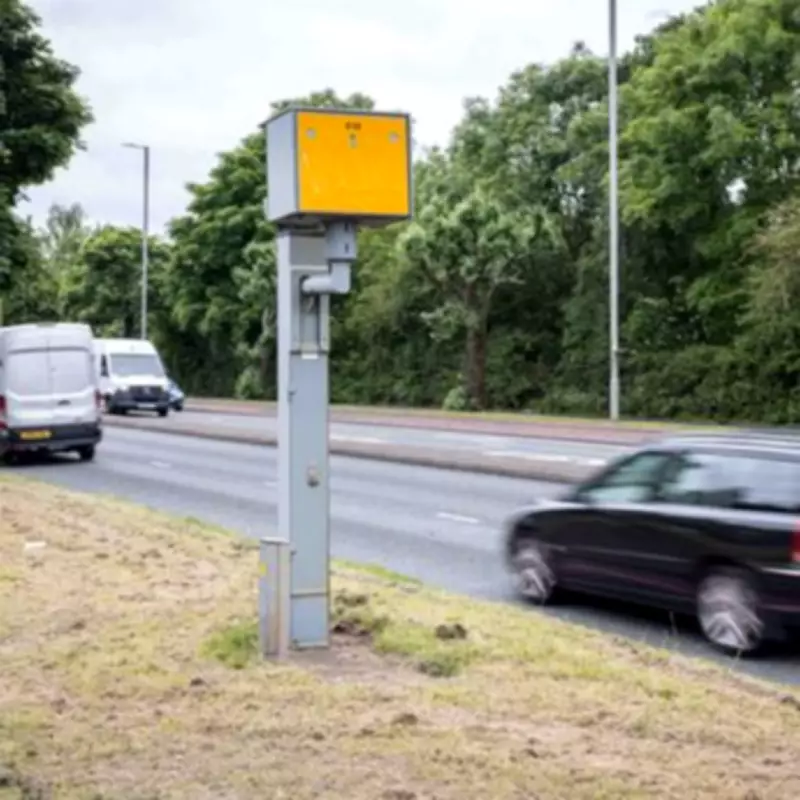
There is a persistent claim that speed cameras must be painted bright yellow to issue valid fines. Although most are yellow to enhance visibility, a fine remains legally enforceable even if the camera is a different colour or partially obscured, as colour does not affect its legality.
Myth 5: Cameras Need to Be Visible from a Distance
Another misconception is that speed cameras must be clearly visible from a certain distance to issue fines. Mobile speed vans, for instance, can be positioned anywhere on the road network and are not legally required to provide advance warning to approaching drivers, making them highly effective tools for enforcement.
Myth 6: Speed Awareness Courses Are a Guaranteed Alternative
The idea that drivers can simply request a speed awareness course to avoid penalty points is misleading. These courses are offered solely at the discretion of the police and are typically reserved for minor, first-time offences, not as a universal right for all speeding violations.
Understanding these facts is crucial for all UK drivers. By dispelling these myths, experts hope to foster better compliance with speed limits, ultimately enhancing road safety and reducing accidents. Always adhere to posted speed limits and stay informed about the latest traffic regulations to avoid unnecessary fines and points on your licence.