UK Drivers Confront £3.30 Fuel Price Surge Amid Middle East Tensions
The RAC has issued a stark warning to motorists across the United Kingdom, revealing that drivers of 55-litre family cars are now paying an additional £3.30 to fill their tanks. This increase comes as the ongoing crisis in Iran and the broader Middle East continues to exert significant pressure on global oil markets, directly impacting consumers at petrol stations.
Rapid Price Increases Hit Petrol and Diesel
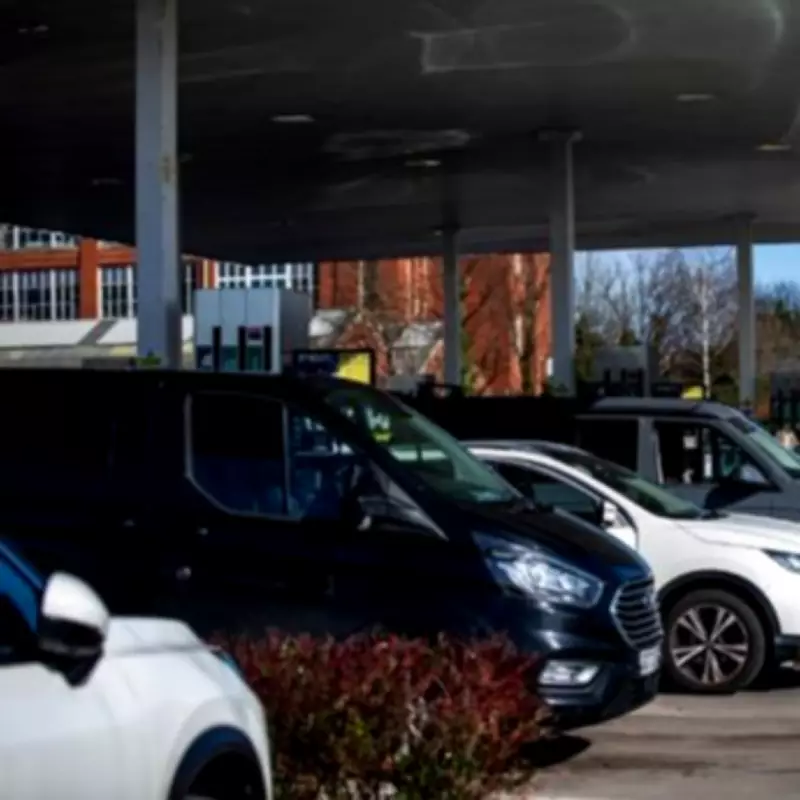
Simon Williams, Head of Policy at the RAC, provided detailed insights into the escalating costs. Petrol prices have risen by 3.7p per litre to 136.53p since last Saturday, while diesel has increased by 6p to 148.35p, marking a 16-month high. These adjustments have already elevated the expense of refuelling a standard family car by £2 for petrol and nearly £3.30 for diesel in under a week.
Williams explained that while wholesale costs for retailers purchasing new stock have climbed, it typically takes around two weeks for such price changes to manifest at the forecourt. Brent crude oil surged to $85 per barrel on Thursday, a level not observed since July 2024. If barrel prices remain at this elevated threshold or climb further, additional forecourt price hikes are deemed inevitable.
Historical Context and Future Projections
Despite the swift rate of increase, current prices remain substantially below the record highs of 2022, when petrol averaged 191.5p per litre and diesel reached 199p. However, experts caution that the situation could deteriorate rapidly. Colin Walker, Head of Transport at the Energy and Climate Intelligence Unit, highlighted that such oil price spikes could propel petrol to approximately £1.90 per litre, reminiscent of post-Ukraine invasion levels in 2022.
This potential surge would add over £500 to the annual fuel bill of an average British petrol car driver. Walker noted a silver lining: with 1.8 million electric vehicles now on UK roads, a growing segment of drivers is insulated from these volatile international energy market fluctuations.
Global Economic Implications
The crisis extends beyond immediate fuel costs, threatening broader economic stability. Qatar's Energy Minister, Saad al-Kaabi, informed the Financial Times that prolonged conflict could adversely affect global GDP growth. He warned, "Everybody’s energy price is going to go higher. There will be shortages of some products and there will be a chain reaction of factories that cannot supply."
This statement underscores the interconnected nature of global energy markets, where geopolitical tensions in the Middle East can trigger widespread economic repercussions, including product shortages and disrupted supply chains.
Practical Impact on Motorists
For the average driver, the financial burden is tangible. Those refuelling twice weekly could see their costs rise by £6.60, compounding household expenses amid broader economic pressures. The RAC's warning serves as a crucial alert for consumers to budget accordingly and consider the escalating costs associated with conventional fuel vehicles.
As the Middle East crisis persists, UK drivers are urged to stay informed about fuel price trends and explore alternatives, such as electric vehicles, to mitigate future financial strain from similar market volatilities.