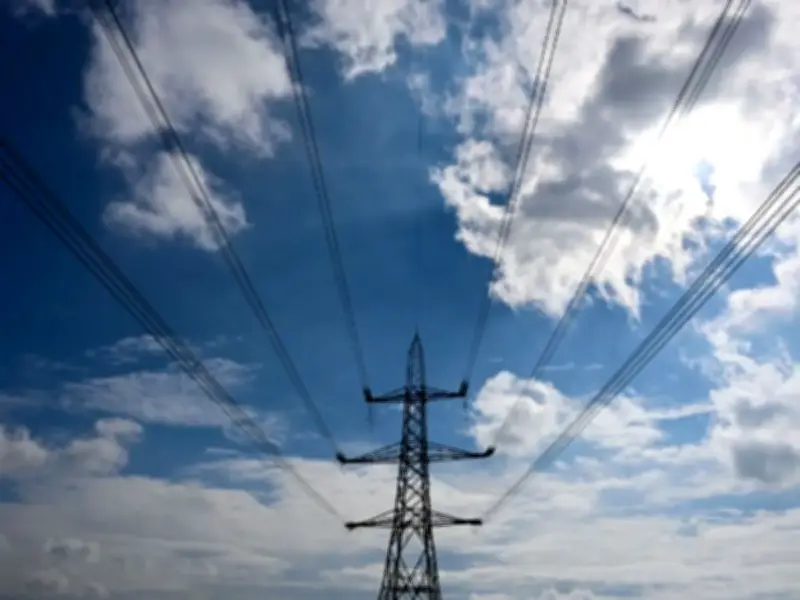
Thousands of households living near new or upgraded pylons are set to receive a £250 annual discount on their electricity bills, with payments starting next year. The Labour government, led by Makerfield MP Andy Burnham, has identified 43 areas across the UK where communities within 500 metres of these projects will benefit from a total of £2,500 off their bills over 10 years.
Government announces pylon discount scheme
Energy Minister Michael Shanks confirmed the initiative, stating: "Upgrading Britain’s electricity grid is a vital part of how we deliver secure, homegrown energy and unlock economic growth across the country." He added: "It is a moment of national renewal - upgrading what was built largely in the 1960s for the modern age to bring down electricity bills for households across the country."
Shanks emphasised the importance of community benefit: "It’s vital we build again as a country and we are determined those communities which host pylons should benefit, which is why we’re bringing down the energy bills of those hosting this vital national infrastructure."
Full list of 43 areas eligible for the discount
The 43 locations span England, Scotland, and Wales, covering a range of new and upgraded transmission infrastructure. The list includes:
- Bramford to Twinstead – East Anglia
- Norwich to Tilbury – East Anglia and East of England
- Eastern Green Link 3 converter station – East of England
- Eastern Green Link 4 converter station – East of England
- Sea Link converter station – East Anglia
- Grimsby to Walpole – Yorkshire and the Humber, and East of England
- North Humber to High Marnham – Midlands
- Brinsworth to High Marnham – Yorkshire and the Humber, and the Midlands
- Chesterfield to Willington – Midlands
- North London Reinforcement – London and South of England
- Banniskirk Hub 400kV substation and HVDC converter station – North Scotland
- Cambushinnie 400kV substation – North and central Scotland
- Fort Augustus Substation 400kV Upgrade – North Scotland
- Spittal - Loch Buidhe - Beauly 400kV overhead line – North and North West Scotland
- Beauly - Peterhead 400kV overhead line – North and North East Scotland
- Carnaig 400kV substation – North Scotland
- Hurlie 400kV Substation – North East Scotland
- Kintore - Tealing 400kV overhead line – North East Scotland
- New Fanellan 400kV substation and Converter Station – North Scotland
- Creag Dhubh - Dalmally 275kV overhead line – West Scotland
- Edinbane substation – West Scotland
- Broadford substation – West Scotland
- Skye 132kV overhead line reinforcement – West Scotland
- Netherton Hub – North East Scotland
- Tealing - Westfield 400kV overhead line – Central and East Scotland
- Bingally 400kV Substation – North Scotland
- Greens (New Deer 2) 400kV substation – North East Scotland
- Lewis Hub – West Scotland
- Emmock 400kV Substation – North East Scotland
- Crarae 275kV Substation – West Scotland
- Coalburn Substation – Central Scotland
- Mark Hill Substation – South West Scotland
- Stranoch OHL and Substation – South West Scotland
- Chirmorie – South West Scotland
- Branxton Substation – South East Scotland
- Sanquhar Substation – South Scotland
- Denny to Wishaw 400kV Reinforcement (DWNO) – Central and South Scotland
- Eastern Subsea HVDC Link from Westfield to South Humber (TGDC/EGL4) – East of Scotland
- Kincardine North - Tealing 400kV Substation (TKUP) – East of Scotland
- Kincardine North 400kV Substation (LWUP) – East of Scotland
- Kincardine North - Wishaw 400kV Reinforcement (DWUP) – Central Scotland and East of Scotland
- Gala North - Harker Area 400kV (CMN4) – Scottish Borders
- Pentir to Trawsfynydd – North Wales
Impact on households and next steps
The discount will be applied automatically to eligible households' electricity bills, with payments beginning next year. The scheme is part of a broader effort to modernise the UK's electricity grid, which was largely constructed in the 1960s, and to ensure that communities hosting new infrastructure see tangible benefits. The government expects the initiative to support the transition to homegrown energy and contribute to economic growth across the country.