Owners of popular low-emission cars are being hit with a new £20 annual road tax charge, a change that takes effect under Andy Burnham's government and applies to vehicles registered before 2017. The move follows a policy shift that removes the previous zero-rate band for cars with CO2 emissions up to 100g/km, meaning many drivers who have never paid vehicle tax will now receive a bill from the DVLA.
Which cars are affected?
The new charge applies to cars in Band A, which covers vehicles with emissions levels of 100g/km or less. These models, often praised as among the cleanest on the roads, were previously exempt from paying any vehicle excise duty. Under the updated rules, owners will now have to pay £20 per year, a modest sum but one that represents a significant change for those accustomed to paying nothing.
The tax changes were originally announced by the previous government but are now being implemented under Andy Burnham's leadership and new Chancellor John Healey. Drivers who are not up to date with the latest rules may be surprised when DVLA tax letters arrive through their letterboxes, as the shift in policy has not been widely publicised.
Broader changes to EV taxation
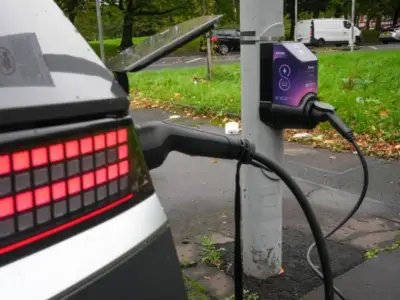
This is part of a wider trend affecting owners of low-emission and electric vehicles (EVs). Previously, EV drivers enjoyed the perk of not paying vehicle tax, but the government is now starting to charge them as well. Newer EVs now have to pay the standard £200 rate, the same as owners of petrol and diesel motors, ending a long-standing incentive for early adopters.
The move has frustrated some drivers, who argue that their vehicles are among the most environmentally friendly on the market. However, the government has defended the changes as necessary to ensure all road users contribute to the upkeep of the road network, especially as EV uptake increases and fuel duty revenues decline.
Expert reaction
Andy Wood, tax expert at Tax Barrister UK, highlighted that many drivers are unaware of how road tax is calculated. He said: “A lot of drivers still assume road tax is calculated purely on the age of the vehicle, but emissions remain one of the biggest factors in determining how much motorists pay. Even relatively modest differences in CO2 output can place vehicles into entirely different tax bands, which can have a noticeable impact on annual running costs.”
Wood added: “The removal of the zero-rate band for cars emitting under 100g/km has caught some drivers off guard because many had become used to paying nothing at all. This change brings them in line with other motorists, but it does represent a new cost for those who chose low-emission vehicles partly to save money on tax.”
What drivers should do
Owners of affected cars are advised to check their DVLA correspondence and ensure they are aware of the new fee. The £20 charge is relatively small compared to the £200 rate for newer EVs, but it is still a new expense that should be factored into annual motoring budgets.
The changes are part of a broader review of vehicle taxation under the current government, which has also seen adjustments to company car tax and benefit-in-kind rates. Motorists are encouraged to stay informed about future changes, as the government continues to align tax policy with its environmental goals while raising revenue.
For those who have not yet received a tax letter, it is worth noting that the DVLA typically sends reminders well in advance of renewal dates. However, drivers who are unsure about their vehicle's tax band can check online using their registration number to avoid any surprises.