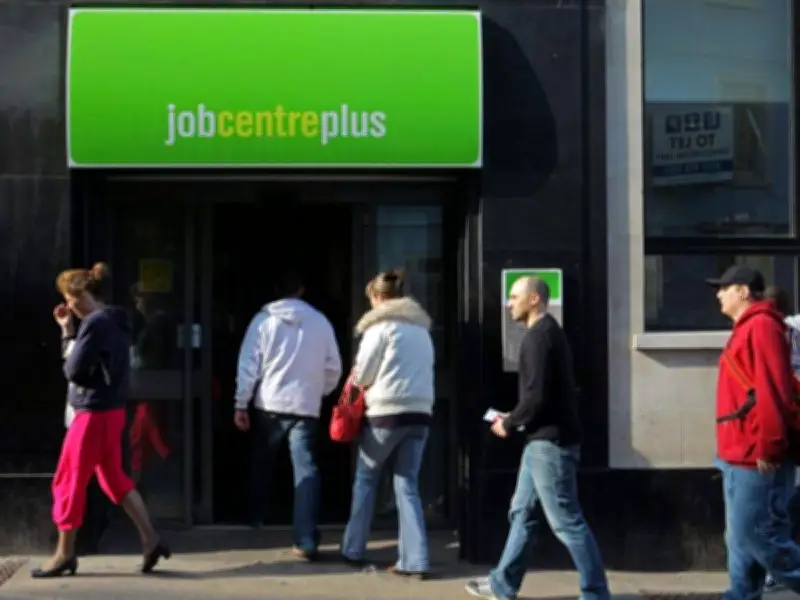
The number of job vacancies across the UK has declined once more, according to official figures, presenting a fresh challenge for those seeking employment. The Office for National Statistics (ONS) reported that job vacancies fell by 19,000 between March and May. Meanwhile, the unemployment rate eased to 4.9%, down from 5% in the previous month's data, coming in below market expectations.
Labour Market Pressures Mount
The latest employment figures highlight mounting pressures facing the UK economy, with businesses citing rising labour costs driven by significant wage pressures and a considerable tax burden. The ONS disclosed that wage growth, excluding bonuses, stood at 3.4% — surpassing forecasts. When bonuses were factored in, wage growth came in higher than anticipated at 4.4%.
Liz McKeown, director of economic statistics at the ONS, said: "Payroll numbers continued to fall over this period, with new recruits at their lowest level in five years. Overall employment was little changed, with some signs of workers moving into self-employment."
Government and Opposition React
Work and Pensions Secretary Pat McFadden commented: "This month's figures show that there are 400,000 more people in work than this time last year, but we know ongoing instability in the Middle East is causing uncertainty in our labour market. We have the right economic plan for growth and stability in a volatile world – and we are taking action to create opportunity and make sure that no one is left behind."
Helen Whately, the shadow work and pensions secretary, said a rise in economic inactivity suggested "people aren't even trying to get work anymore. That means more people on benefits and a higher welfare bill, at the taxpayers' expense."
Inflation and Economic Outlook
The latest labour market figures lay bare the mounting pressures facing both employers and job seekers, with concerns over inflation — driven by the energy price shock stemming from the Iran war — also set to squeeze household finances across Britain. On Tuesday, the ONS confirmed that inflation held steady at 2.8%, significantly below the Bank's own forecast of 3.3% just a month ago.
Core inflation, which excludes volatile energy and food prices, came in at 2.6%, while services inflation — closely scrutinised by Bank of England rate-setters for signs of wage pressure — climbed from 3.2% to 3.7%.
Andrew Griffith, the shadow business secretary, has cautioned that surging business costs of up to 9% risk delivering either steeper prices on the high street, a wave of company closures and job losses, or potentially both.
Future Trajectory
The trajectory of the UK economy hinges largely on whether the Strait of Hormuz fully reopens in the wake of the peace agreement between the US and Iran. Meanwhile, the Bank's Monetary Policy Committee faces a delicate balancing act, navigating a weakening labour market alongside elevated inflation expectations that could drive prices well beyond its 2% target.
Some economists have suggested that the Bank will opt to leave monetary policy unchanged for the rest of the year before cutting interest rates next year, as weakened demand could stop prices from spiralling in 2026.