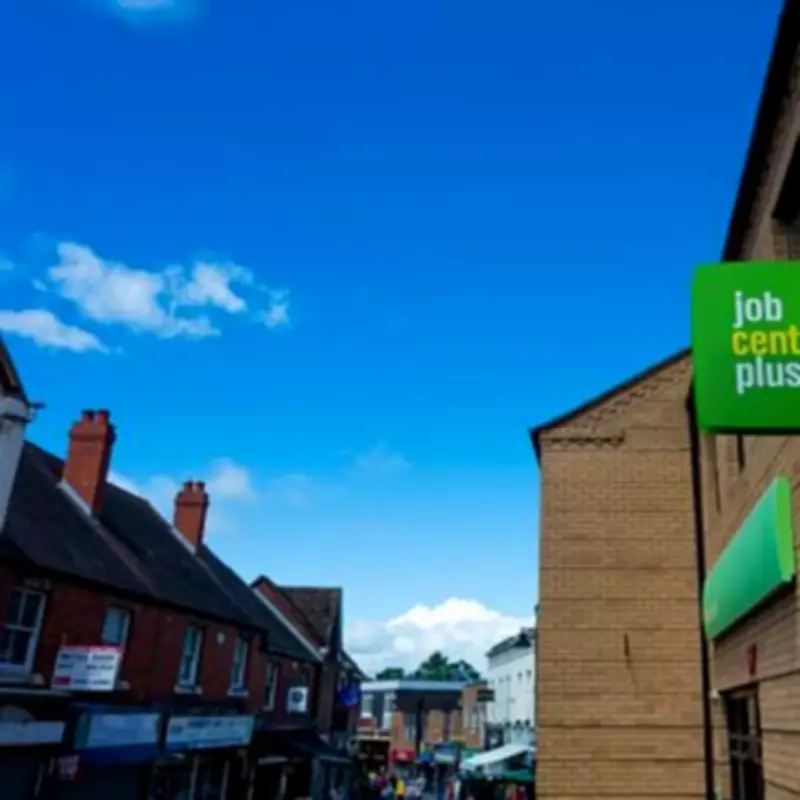
The Department for Work and Pensions has been told that a Saturday job rule could help solve the benefits crisis affecting around one million young people. Former Labour Party minister Alan Milburn admitted last week it is “shameful” that 25 times more is spent on benefits for 16 to 24-year-olds than on helping them into work.
Milburn Calls for Action
Milburn stated that ministers must confront the “whole-system failure” that leaves young people trapped on DWP handouts. The former Health Secretary warned: “Benefits should not become the place where ambition goes to die.” He added: “We need to move from a welfare state that manages failure to a working state that helps young people build skills, confidence and a future.”
Rising Youth Inactivity
About one million young people across the UK are not in jobs, training, or education – roughly one in eight – and the situation is worsening both absolutely and relatively, according to Milburn. Hospitality vacancies have halved in the past four years, while Saturday jobs are said to be in “freefall”.

Support for Saturday Jobs
Saturday jobs have been backed by The Sun columnist Kate Ferguson. In an editorial on Sunday, May 31, she explained: “The Saturday job was the first rung on the ladder of work. It let you climb up to better jobs and higher wages. I scaled it all the way to Fleet Street. A little paperboy called Pat from Glasgow climbed it all the way to the Cabinet.” She added: “Getting young people into work should be a national mission. Let’s start by bringing back the Saturday job by cutting the cost of hiring teenagers.”
Benefits vs Work
The Centre for Social Justice (CSJ) has previously warned that someone on benefits can take home £2,500 more a year than a full-time worker on the National Living Wage. CSJ data showed one in four full-time workers in Britain (six million people) would be better off financially if they quit their job and went on benefits instead. It also found the number of under-25s in employment had already collapsed by 119,000 the previous year.