In a significant move for the UK economy, the Bank of England has announced a reduction in its base interest rate. The decision, made on Wednesday 18th December 2025, sees the rate fall from 4% to 3.75%, marking its lowest point in nearly two years.
Lewis's Analysis: "More Rate Cuts Likely"
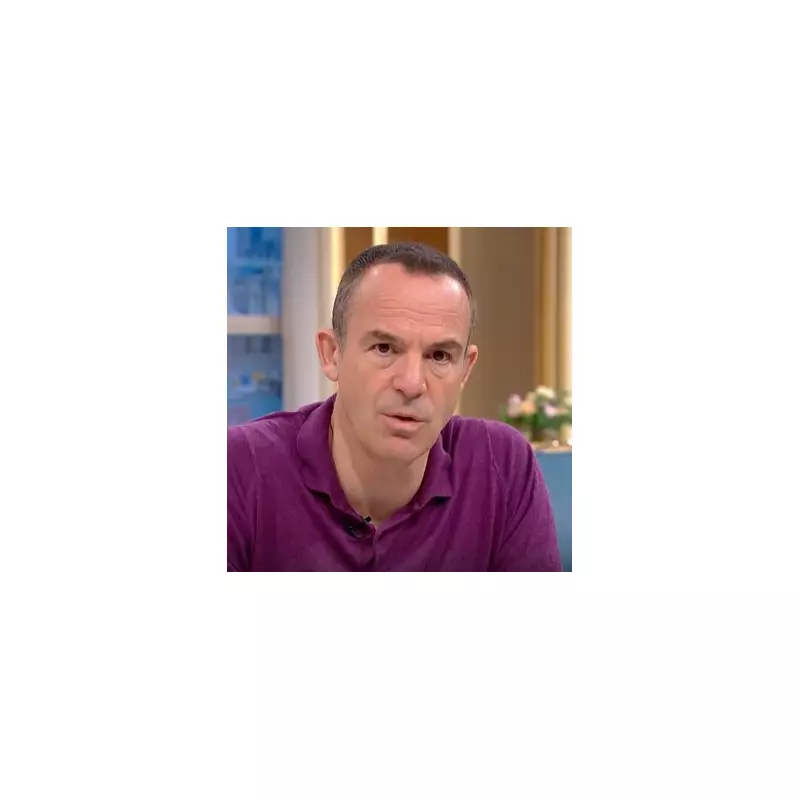
Financial expert Martin Lewis swiftly took to social media platform X to dissect the announcement for his millions of followers. He highlighted the Bank's statement that the UK is "past the peak of inflation" and is projected to hit the 2% target by April this year.
"That seems to indicate more rate cuts likely to come over 2026," Lewis wrote, setting a clear expectation for borrowers and savers in the year ahead. The Bank's Governor, Andrew Bailey, accompanied the cut with a warning of a risk of a "sharper downturn," revising growth projections for the final quarter of the financial year down to zero from a previous estimate of 0.2%.

Immediate Impact on Mortgages and Savings
Lewis provided a detailed breakdown of the practical consequences for household finances. For homeowners, the effects vary depending on the type of mortgage held.
For those on a tracker mortgage, repayments will automatically decrease by 0.25 percentage points. Lewis calculated this as roughly £15 less per month for every £100,000 of mortgage debt.
Borrowers on a standard variable rate (SVR) should also see a reduction of around 0.25%, though lenders are not obliged to pass on the full cut. Any change may take up to a month to be applied.
For savers, the news is less positive. Variable rate savings accounts, including most easy-access accounts, are likely to see their rates fall by a similar margin within two to four weeks. Lewis advised that anyone considering a fixed-rate savings bond should act quickly, as the best rates available today may soon be trimmed.
Credit, Loans, and the Wider Forecast
The impact on other forms of credit is expected to be more muted. Lewis noted that credit card APRs, which are already significantly higher than the base rate, will be mostly unaffected, though we may see slightly longer 0% interest deals launched.
Existing fixed-rate loans remain unchanged, while pricing for new loans is influenced more by long-term interest rate forecasts than immediate base rate movements. Consequently, the cheapest new loan rates may only see a very marginal reduction, and this will take time to filter through.
The overarching message from Martin Lewis's analysis is one of cautious expectation. While this cut was largely anticipated by the markets—meaning its effect on new fixed mortgage deals may be limited—it signals a shift in monetary policy aimed at stimulating a stagnant economy. All eyes will now be on the Bank's next moves in 2026.