British savers are pouring money into Cash ISAs at a record pace, even as a major government policy shift looms on the horizon. New data reveals that household holdings in these tax-free cash accounts have surged to an unprecedented level.
Record Savings Amid Economic Uncertainty
According to the latest UK Finance household finance review for Q3 2025, the total amount held in Cash ISAs by UK households reached £207 billion by the end of September. This marks a substantial 14 per cent increase compared to the same point in 2024.
Eric Leenders, Managing Director of Personal Finance at UK Finance, commented that while savings growth has moderated, it remains robust historically. He stated that households are continuing to "build precautionary buffers against an uncertain economic backdrop" ahead of the autumn Budget.

The Upcoming ISA Shake-Up
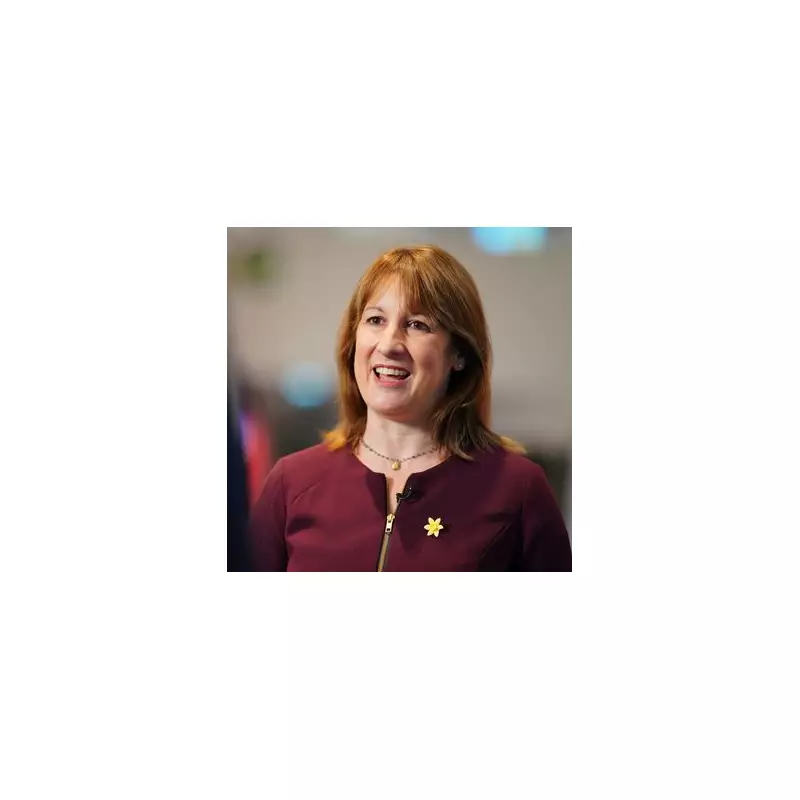
This savings boom is occurring despite significant changes announced by Chancellor Rachel Reeves. From 2027, the tax-free annual allowance specifically for Cash ISAs will be reduced from £20,000 to £12,000.
The remaining £8,000 of the overall ISA allowance will be reserved for Stocks and Shares ISAs. The government's stated aim is to encourage more investment in British businesses. It is crucial to note that anyone aged 65 and over will be exempt from this change and will retain the full £20,000 cash allowance.
What the Changes Mean for Savers
MoneySavingExpert.com founder, Martin Lewis, has provided clarity on how the new rules will work. He explained that the overall ISA subscription limit will stay at £20,000. From 2027, savers under 65 can choose how to split their allowance, with a maximum of £12,000 in cash.
"You could have £12,000 in cash, and £8,000 in shares. You don’t have to put the money in shares," Lewis said. "You could just, from that point, have £12,000 in cash. The key to this rule is, it only impacts new money paid in."
The data suggests that savers are actively building their cash reserves before the new limits take effect, highlighting a strategic response to the forthcoming policy.