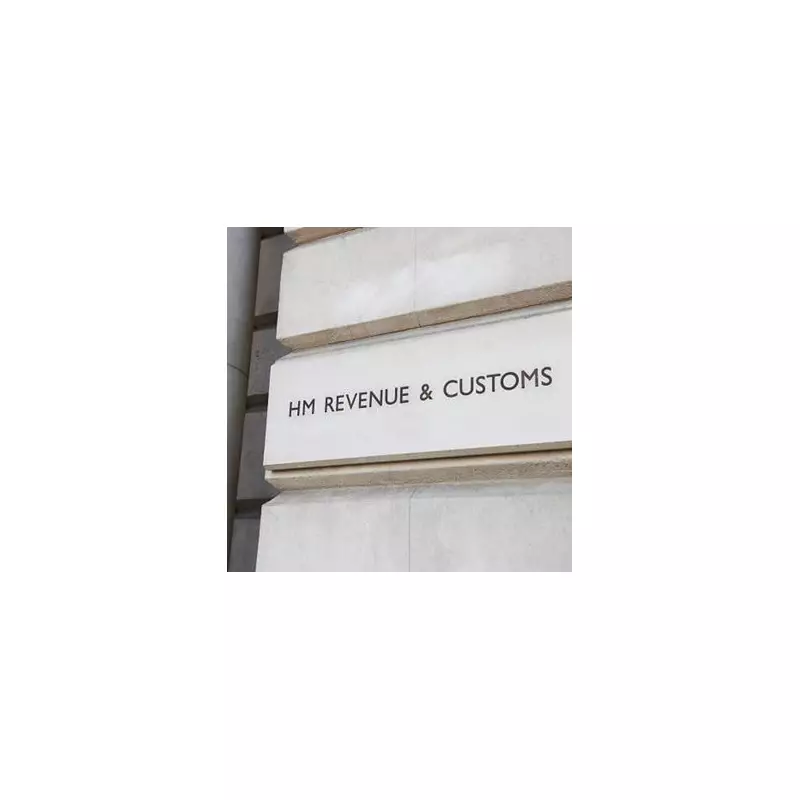
HM Revenue and Customs (HMRC) is ramping up its focus on individuals with additional income streams, commonly known as side hustles, in the lead-up to the crucial January 31 deadline for self-assessment tax returns. A personal finance expert has issued a timely reminder that everyone benefits from a trading allowance of £1,000 per tax year, but earnings beyond this threshold must be properly declared to the tax authority.
Understanding the £1,000 Trading Allowance
This allowance permits individuals to earn up to £1,000 annually from trading, casual services, or selling goods without the obligation to report it to HMRC or pay tax on it. However, once income surpasses this limit, it becomes taxable and must be included in a self-assessment tax return. Failure to comply can result in significant fines and backdated tax demands.
Capital Gains Tax Considerations
Peter Watton, a spokesperson for OddsMonkey, highlighted another critical tax rule. He cautioned that selling personal items, such as collectables or electronics, for more than £6,000 in a single transaction could potentially trigger Capital Gains Tax liabilities, adding another layer of complexity for those engaging in online sales.

The Rising Trend of Side Hustles in the UK
Mr Watton commented on the economic backdrop driving this trend, stating: “With the constantly increasing cost of living, it is hardly surprising that Brits are turning to side hustles to supplement their income. While it is fantastic that people are leveraging their passions to earn extra money, it is vital to remember to declare any income over £1,000 to avoid trouble with HMRC.”
He further noted that side hustles have become embedded in everyday British life, with millions relying on second incomes and younger generations particularly active in this space. As HMRC increases its scrutiny of additional earnings in 2026, experts warn that neglecting tax rules could transform a seemingly harmless hustle into a costly financial mistake.
Research Insights on Side Hustle Earnings
Recent research conducted by OddsMonkey in 2025 reveals the scale of this phenomenon. The study found that nearly two in five Britons (39%) earn extra income on the side, generating an average of £914 per month, equivalent to £210 weekly. Despite this widespread activity, a significant number of individuals fail to declare their earnings, prompting HMRC to urge compliance.
Popular Side Hustle Methods and Profits
The most prevalent method for earning additional cash is selling unwanted items. A substantial 68% of side hustlers use online platforms like Vinted, eBay, and Depop to sell second-hand goods, with average monthly earnings of £165.
Other lucrative side hustles include:
- Selling handmade crafts, averaging £163 per month
- Baking and selling goods, with monthly profits around £183
- Renting out a spare room, generating approximately £241 monthly
- Blogging, which brings in about £231 per month
- Selling beauty products, the most profitable at £249 monthly
Demographic Breakdown of Side Hustlers
The research also highlights demographic trends. Millennials are particularly engaged, with 55% having a side hustle and earning an average of £1,321 per month. Students are also actively participating, cashing in an average of £895 monthly from side hustles, often without relying on parental financial support.
As the self-assessment deadline looms, HMRC's crackdown serves as a crucial reminder for all side hustlers to review their earnings, understand their tax obligations, and ensure they remain compliant to avoid potential penalties.