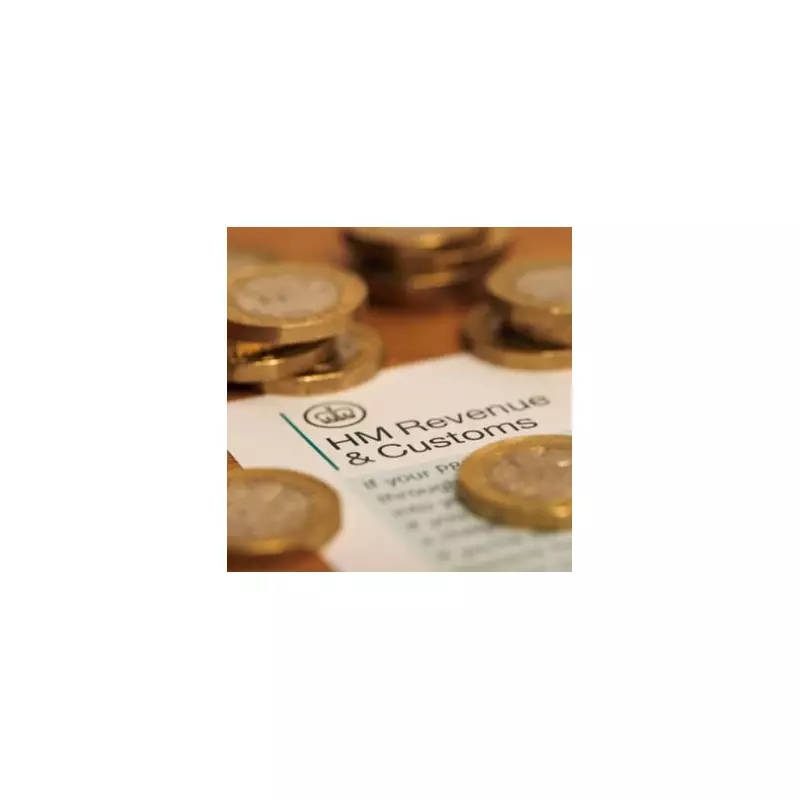
HMRC Ends Automatic Tax Refund System in Major Policy Change
In a significant shift affecting millions across the country, HM Revenue and Customs has discontinued its long-standing practice of automatically refunding tax overpayments to UK households. This move, implemented under the current Labour Party government, means taxpayers must now proactively claim any repayments owed to them, rather than receiving them automatically as before.
Taxpayer Concerns Over Increased Burden
The policy change has raised considerable concerns among taxpayers and financial experts alike. Ellie Scoulding, a 24-year-old hairdresser from London, expressed her worries to The i Paper, stating she was unaware the rules had changed until recently. "It concerns me that it's becoming more of a one-sided burden on the taxpayer to co-ordinate their own income and tax," she explained. "HMRC are able to be diligent in collecting owed tax but can't return that sentiment to those they owe."
Accountants Warn of Potential Pitfalls
Financial professionals have been quick to highlight the practical implications of this policy shift. Leanne Gunns, an accountant at My Profit Hero, has been leading calls for greater public awareness. "HMRC may send you a tax calculation letter called a P800 detailing the overpayment that can then be claimed online," she noted. "However these can be delayed or missed altogether meaning some people leave the repayments unclaimed for many years."

Increased Fraud Risk and Administrative Challenges
The change has also raised concerns about potential increases in fraudulent activity. Mohammad uz-Zaman, a wealth manager at ADL Wealth, warned: "There may be a ramp up in texts and emails claiming a HMRC refund. The victim could be expecting a refund too and think mistakenly that such a ‘timely’ message was genuine."
Uz-Zaman further emphasized the administrative challenges this creates for taxpayers: "It becomes even more important to be on top of your bookkeeping and ensure you have access and are familiar with the Government Gateway Interface. It’s a bit daunting for first-timers but it’s quite straightforward once you get acquainted."
HMRC Defends Policy Change
In response to concerns, an HMRC spokesperson defended the new approach: "We contact all customers who’ve overpaid tax so they can claim their repayment quickly and easily via the HMRC app or online, as well as providing options for those who aren’t online. Our change in approach reduces the risk of fraud, saves taxpayer’s money, and means quicker repayments for customers."
The spokesperson added: "We’re absolutely committed to tackling tax scams, including via extensive education and support for customers."
This policy shift represents a fundamental change in how tax overpayments are handled in the UK, placing greater responsibility on individual taxpayers to monitor their tax affairs and claim what they're owed. Financial experts recommend that all UK households:
- Regularly check their tax status through official HMRC channels
- Be vigilant against potential refund scams
- Familiarize themselves with the Government Gateway system
- Keep detailed records of their income and tax payments
- Act promptly on any P800 letters received from HMRC
The change comes amid broader discussions about tax administration efficiency and fraud prevention, but has sparked debate about whether the burden should fall more heavily on individual taxpayers or the government's tax collection agency.