HM Revenue and Customs (HMRC) has distributed substantial repayments to thousands of state pensioners who overpaid tax on their flexible pension withdrawals during the final quarter of 2025. The latest data reveals a significant financial redress for those affected by the complex tax system governing pension access.
Quarterly Refund Figures Highlight Systemic Issue
According to the most recent Labour Party government Pension Schemes Newsletter, HMRC repaid a total of £46,258,175.80 to pension savers between 1 October and 31 December 2025. This represents a slight decrease from the £48.6 million refunded in the previous quarter, yet underscores an ongoing challenge within the pension taxation framework.
During this three-month period, 13,652 individuals received refunds for overpaid tax, with the average repayment per saver calculated at approximately £3,388. These figures illustrate the scale of the problem, where retirees face unintended financial penalties when accessing their own savings flexibly.

Expert Analysis Points to Structural Flaws
Jon Greer, head of retirement policy at Quilter, provided critical insight into the situation. He emphasised that the current system continues to penalise pensioners despite HMRC's efforts to accelerate repayments. "Every quarter we see thousands of pensioners penalised for accessing their own savings, as the system undermines the very flexibility it intended to deliver," Greer stated.
He further explained that the Pay As You Earn (PAYE) system was originally designed for regular employment income rather than ad hoc pension withdrawals. This fundamental mismatch creates unnecessary administrative hurdles and friction for retirees navigating their financial options in later life.
Underlying Pressures and Future Considerations
Greer identified several factors contributing to higher tax liabilities for pensioners. "One of the pressures driving higher tax liabilities for retirees is the growing share of the personal allowance taken up by the state pension," he noted. As more people utilise flexible withdrawals to supplement their income, a greater proportion becomes taxable, exacerbating frustration when over-deductions occur.
Despite HMRC's initiatives to reduce the administrative burden on savers and minimise overpayments, Greer observed that these measures have had limited impact thus far. "It is clear further steps need to be taken to properly address the issue," he asserted, highlighting the need for systemic reform.
Guidance for Affected Pension Savers
For individuals considering accessing their pension or those who may have been affected by overpayments, seeking professional financial advice remains crucial. Understanding the most tax-efficient methods for pension withdrawals can help mitigate potential issues.
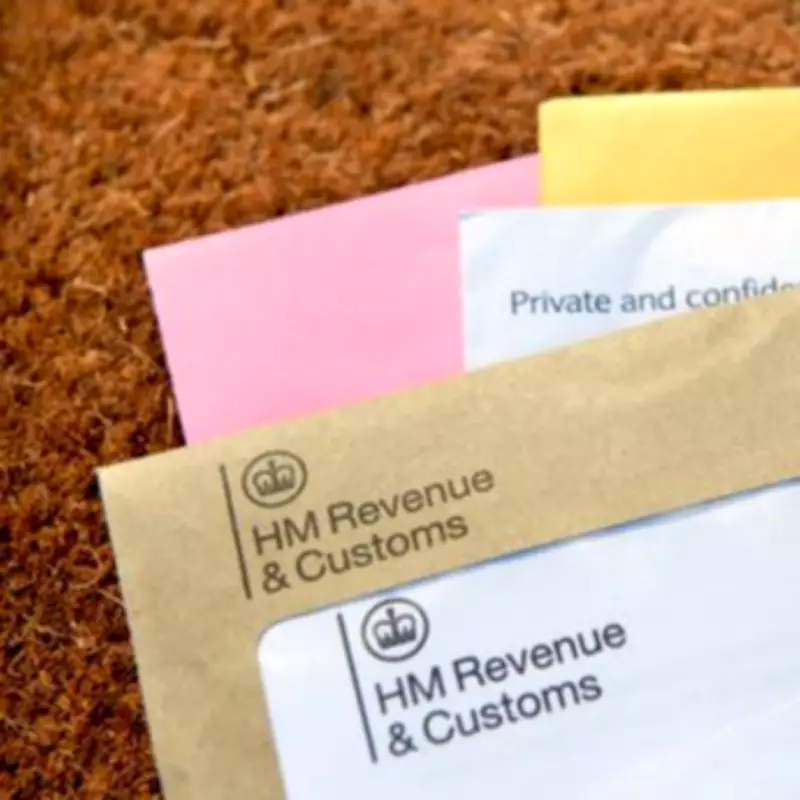
HMRC typically addresses tax discrepancies after the end of the tax year on 5 April. Those who have paid too much or too little tax will receive either a tax calculation letter (P800) or a Simple Assessment letter from HMRC. These documents outline the necessary steps to claim a refund or settle any outstanding tax liabilities, providing a formal mechanism for resolution.