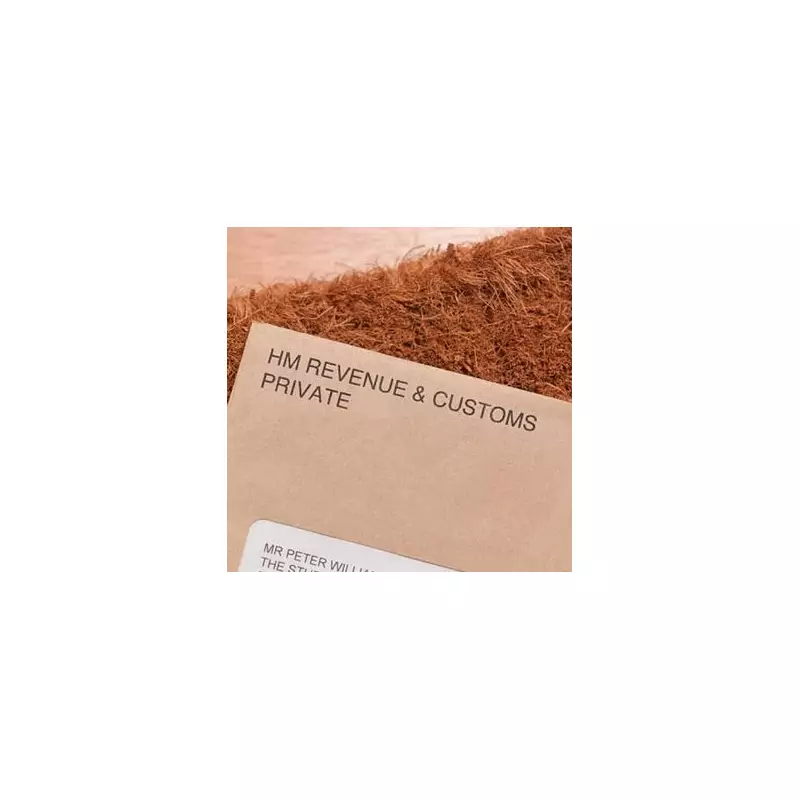
Britons using online marketplaces like eBay and Vinted for festive clear-outs are being issued a stark warning from the tax authority. HMRC is now actively sending letters to individuals at risk of breaking tax rules, with the Christmas period posing a particular threat.
New Reporting Thresholds for Online Sellers
The crackdown is powered by new data-sharing rules that came into force at the start of the year. Digital platforms are now legally required to provide HMRC with information on users who meet specific criteria.
For most platforms, including eBay, this means reporting sellers who complete more than 30 transactions per year.
On Vinted, the rules are even more stringent. The platform must report users who either complete 30 sales per year or exceed £1,700 in total sales over a 12-month period.
Why Christmas is a High-Risk Period
Experts are highlighting the festive season as a critical time when casual sellers can easily cross these thresholds. Not only is it a peak selling period with multiple potential sales, but it also brings sellers closer to the end of the tax year, making annual totals more significant.
Lee Murphy, Managing Director of The Accountancy Partnership, explained the mechanism: “HMRC uses the platform, whether this is Etsy, Vinted or even eBay, to match against each individual’s tax return.”
He warns that those who have exceeded the £1,000 annual trading allowance and fail to declare it can expect reminder letters. “While you may think this is just a scare tactic, ignoring these types of letters may lead to further full tax inquiries and criminal investigations,” Murphy added.
Who Needs to Worry and Who Doesn't?
The key distinction lies in the nature of the sales. Casual sellers who are simply passing on unwanted personal items, such as old clothes or toys, are unlikely to face any scrutiny from HMRC. This activity is not considered a trading business.
The rules target those running a 'side hustle'. If you are engaged in repeat trades, buying goods to resell, or dropshipping, and your annual income from these activities surpasses £1,000, you are legally required to inform HMRC.
Failure to declare this income could result in fines or even a criminal investigation. If you earn over £1,000 or hit 30 sales in a year, you must file a tax return to stay compliant with the law.