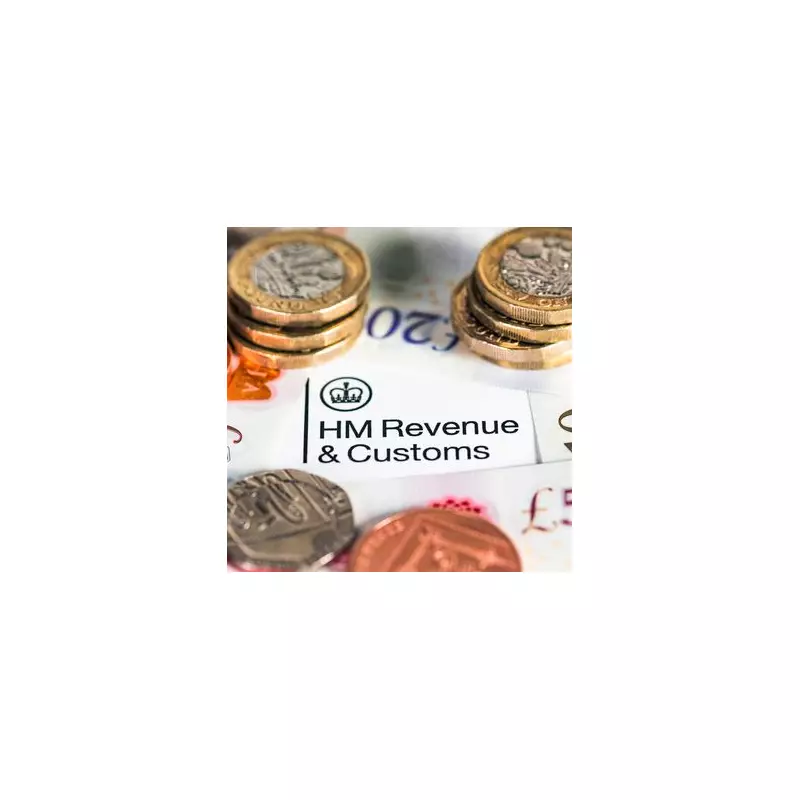
HM Revenue and Customs (HMRC) has issued a stark warning to the UK public following a surge in sophisticated tax scams. The tax authority revealed that more than 4,800 Self Assessment-related scams have been reported by customers since February 2025.
Scale of the Threat: Thousands of Fake Sites Shut Down
In a broader ten-month period, HMRC has been alerted to an alarming 135,500 scams that fraudulently use its name. This figure includes approximately 29,000 separate incidents involving fake tax refund claims. Criminals are exploiting the anxiety surrounding the annual tax return deadline, using persuasive and often threatening messages to trick individuals.
Lucy Pike, HMRC’s Chief Security Officer, emphasised the scale of the problem. "Millions of people file a tax return each year and scammers mimic HMRC to try and catch unsuspecting victims out," she stated. In response, HMRC has taken swift action to close nearly 25,000 fraudulent websites and phone numbers designed to impersonate the official government service.

How to Spot a Fake HMRC Communication
With the Self Assessment deadline for the 2024/25 tax year set for 31 January 2026, HMRC is urging extreme vigilance. Scammers typically contact people via email, SMS, or phone, using fake tax demands or offers of refunds to pressure them into handing over personal and financial details.
To help the public identify genuine communications, HMRC has reiterated several key points. The tax office will never:
- Leave voicemails threatening immediate legal action or arrest.
- Request personal or financial information via text message or email.
- Use email, text, or phone to notify you of a refund or ask you to claim one.
"I’m urging people to stay vigilant," Pike added. "If any emails, text messages or phone calls appear suspicious – don’t be lured into clicking on links or sharing your personal information – report it directly to HMRC."
How to Protect Yourself and Report Scams
Taxpayers are advised to independently verify any contact claiming to be from HMRC by checking the official guidance on GOV.UK. The safest way to file your return is always via the official HMRC portal on the government website.
If you receive a suspicious communication, you can report it through the following channels:
- Forward suspect emails to phishing@hmrc.gov.uk.
- Forward suspicious SMS messages to 60599.
- Report fraudulent phone calls on the HMRC pages of GOV.UK.
By staying alert and knowing the hallmarks of a genuine HMRC message, taxpayers can protect themselves from these increasingly common and convincing financial threats.