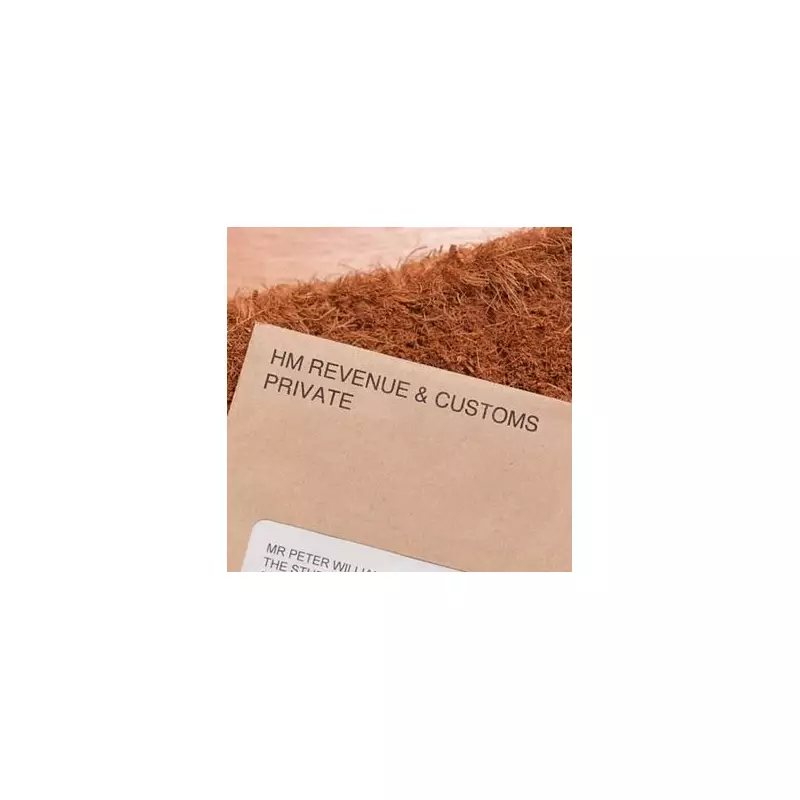
Thousands of low-income households across the UK are facing an unexpected financial blow, with HMRC issuing demands for nearly £1,000 due to a little-known stealth tax.
The £992 Tax Demand Explained
The core of the issue lies with the frozen personal allowance. The tax-free personal allowance has been fixed at £12,570 and will remain so until 2030 following the Labour Party's Autumn Budget. Historically, this threshold increased with inflation, which would have pushed it to approximately £15,550 today.
This freeze creates a significant problem for individuals with a specific financial profile. Consider someone earning £15,549, which is just below the inflation-adjusted allowance, and who also receives £5,000 in savings interest. Under the old system, they would have paid no tax. Now, they face a bill for £596 in income tax plus a further £396 in tax on their savings interest, leaving them £992 worse off in total.

How the Starting Rate for Savings Works
There is a mechanism designed to protect low earners, known as the "starting rate for savings". This allows you to earn up to £5,000 in savings interest completely tax-free, but only if your total income from a pension or work is below the personal allowance of £12,570.
Sarah Coles, Head of Personal Finance at Hargreaves Lansdown, explains: "It means you don’t have to worry about the freeze in the threshold... your savings interest is completely protected from income tax."
However, this benefit is gradually withdrawn. For every £1 your income from work or a pension exceeds the £12,570 personal allowance, you lose £1 of your £5,000 starting rate for savings. Once your income reaches £17,570 or more, you lose the starting rate for savings entirely.
Legal Strategies to Avoid the Tax
Financial experts point to a legitimate strategy for couples to minimise their tax liability. Charlene Young, a Senior Pensions and Savings Expert at AJ Bell, advises: "You could give your spouse cash savings to use up their tax-free personal savings allowance. That’s especially helpful if you’re a higher or additional rate taxpayer and your partner is a basic rate taxpayer, meaning they benefit from the full £1,000 personal savings allowance."
This approach allows households to redistribute savings to ensure both partners are utilising their individual tax-free allowances to the fullest, potentially shielding a significant portion of their savings interest from any tax demands.