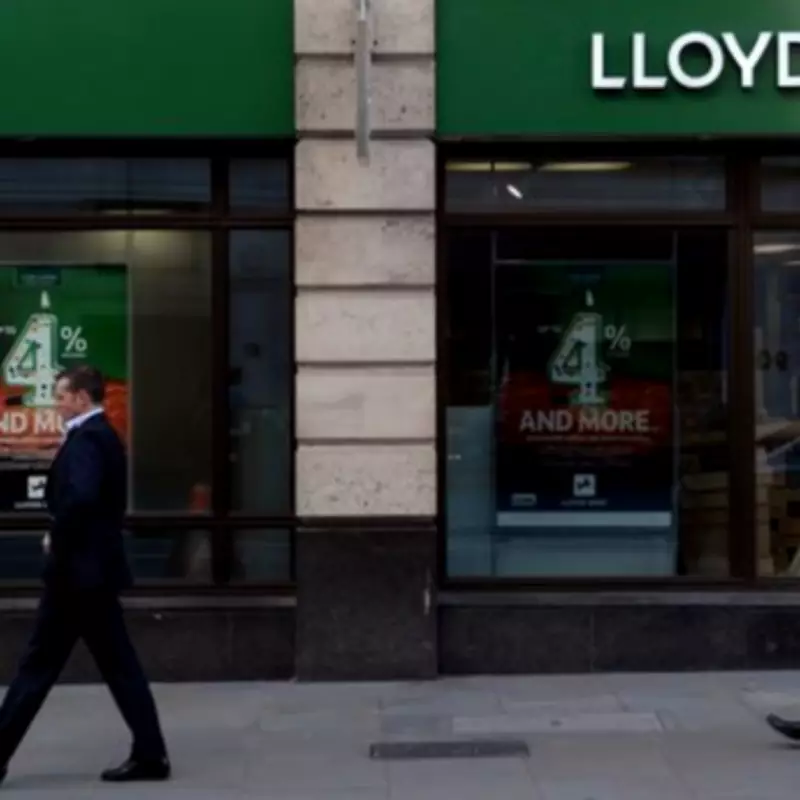
Lloyds Banking Group Announces Major £1.8bn Share Buyback Following Strong 2025 Performance
Lloyds Banking Group, the FTSE 100 financial giant, has unveiled a substantial £1.8bn share buyback programme after delivering impressive full-year results for 2025 that surpassed internal expectations. This strategic move underscores the bank's robust financial health and commitment to returning capital to its shareholders.
Record Profits and Income Growth
The bank reported a significant 12 per cent increase in pre-tax profits, which soared to £6.7bn for the 2025 financial year. This figure comfortably exceeded the £6.4bn that had been anticipated by internal analysts, highlighting Lloyds' ability to outperform in a challenging economic environment.
Despite the Bank of England implementing a one percentage point cut in interest rates over the past year, Lloyds managed to maintain firm income levels. Net interest income reached £13.6bn, marking a six per cent rise compared to 2024, when interest rates were at a post-financial crisis peak of 5.25 per cent. Overall income climbed by seven per cent to £18.3bn, demonstrating the bank's resilience and effective management strategies.

Enhanced Shareholder Returns
In addition to the new £1.75bn buyback initiative, Lloyds has already distributed nearly £3.9bn to shareholders during the 2025 financial year. The group's ordinary dividend also saw a notable increase, rising by 15 per cent year-on-year to 3.65p per share. These measures reflect the bank's strong capital position and its focus on delivering value to investors.
Cost Management and Operational Streamlining
Operating costs experienced a modest three per cent increase, edging up to just under £10bn for the year. Lloyds attributed this rise to strategic investments, including severance costs associated with efforts to streamline operations and reduce expenses.
Over the past year, the bank has undertaken significant steps to modernise its operations and enhance efficiency. This included a review of approximately 6,000 technology and engineering roles as part of a broader initiative to upgrade digital capabilities. Furthermore, Lloyds reassessed its performance management approach, with potential implications for the lowest-performing 3,000 employees out of its total workforce of 63,000.
Challenges and Provisions
Profits were partially offset by an 84 per cent increase in impairment charges, which totalled £795m. This charge included an additional £74m provision, reflecting an updated macroeconomic outlook that considers factors such as escalating geopolitical tensions and trade uncertainties.
Lloyds also faced challenges from the motor finance scandal, which led to a significant extra provision and caused a 36 per cent drop in third-quarter profits. The bank is currently liable for nearly £2bn as it awaits further details on the Financial Conduct Authority's industry-wide compensation scheme, expected in early 2026.
Future Outlook and Strategic Goals
Looking ahead to 2026, Chief Executive Charlie Nunn expressed confidence in the bank's trajectory, stating that continued business momentum and strategic delivery enable an upgrade in guidance. Lloyds now anticipates that the 2026 return on tangible equity will exceed 16 per cent, up from a previous estimate of over 15 per cent and significantly higher than the 12.9 per cent achieved in 2025.
This optimistic forecast marks the culmination of the five-year strategy set out in 2022, positioning Lloyds Banking Group for sustained growth and profitability in the coming years.