Supermarket chain Morrisons has been hit with a multi-million pound tax bill following a significant legal defeat against HM Revenue and Customs (HMRC). The court ruled that the retailer must pay VAT on its popular rotisserie chickens, a decision with major financial and commercial implications.
The Core of the Legal Dispute
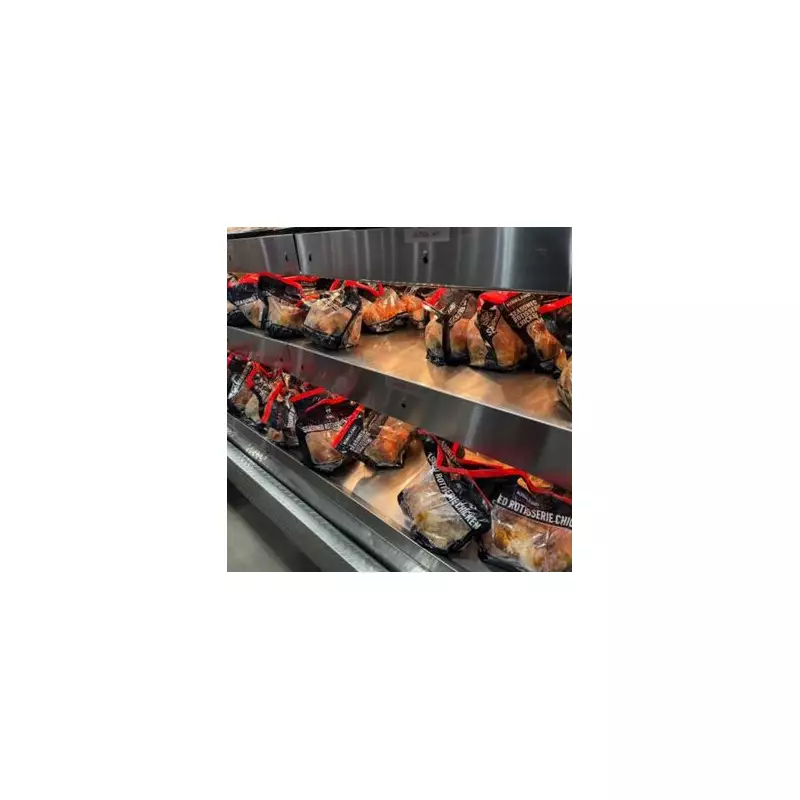
The lengthy court battle centred on whether Morrisons' whole cooked chickens, sold as they cooled down, should be subject to the standard 20% Value Added Tax rate applied to hot food. HMRC successfully argued that they should.
The Treasury's position was that food sold above "ambient temperature" is liable for VAT. This was later refined to apply VAT to items kept in a hot cabinet, while exempting products placed on a cooling rack that are sold cold or are only "incidentally hot" but intended to be eaten cold.

The High Court ruling, delivered this week, found that Morrisons had failed to disclose key details about its sales process. This included the heat-retaining features of the foil-lined bags labelled "caution: hot product" and the fact that chickens were taken off sale after two hours while still significantly above ambient temperature.
Morrisons' Defence and the Financial Impact
Richard Nichols, the finance director of Morrisons until January, represented the supermarket's position in court. He emphasised that the company "operates in a highly competitive industry sector with low profit margins."
Nichols presented research indicating that 80% of customers who purchased the rotisserie chickens ate them cold or saved them for a later meal. He warned that applying VAT, which would raise the price to £5.28, "could have resulted in hundreds of thousands fewer chickens being bought every month."
He argued this would have damaging repercussions for the supply chain and affect the balanced diets of families across the UK. The court also noted that HMRC did not provide clear rulings between 2012 and 2014 that the chickens were zero-rated, which Morrisons believed it could legitimately rely on.
Broader Consequences and Competitive Landscape
The ruling leaves Morrisons facing a £17 million tax bill related to its rotisserie chicken sales. This precedent-setting case may influence how all major supermarkets, including rivals like Sainsbury's, Asda, Aldi, Lidl, and Tesco, handle VAT on similar hot-to-eat products.
The decision clarifies HMRC's stance on the taxation of food sold while hot, even if it is marketed for later consumption. It underscores the importance of transparent sales practices and the specific conditions under which food is considered "incidentally hot."
For consumers, the outcome highlights the complex tax regulations behind everyday items and could potentially influence future pricing strategies in the highly competitive grocery sector.