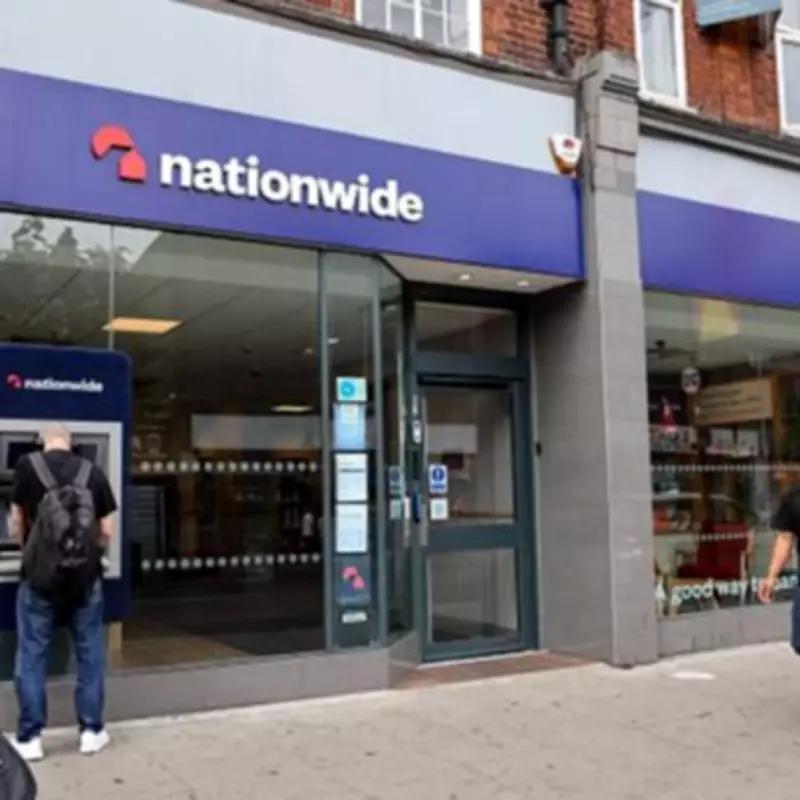
Households across the United Kingdom are being urged to exercise extreme caution after a wave of sophisticated scam letters, convincingly designed to appear as official correspondence from Nationwide Building Society, has been reported. BBC Morning Live presenter and former police officer Rav Wilding has issued a stark warning to the public following numerous reports of these fraudulent documents landing on doormats.
The Convincing Nature of the Nationwide Scam Letters
The fraudulent letters have been crafted with alarming precision to mimic genuine communications from the UK's largest building society. They promote what are described as exclusive fixed-rate savings deals, allegedly offered in partnership with another financial institution. To enhance their credibility, the scammers have included realistic-looking reference numbers and even referenced the Financial Conduct Authority, making it challenging for recipients to immediately identify them as fake.
Nationwide has confirmed its awareness of this scam campaign and is actively advising customers to treat any unexpected postal correspondence from the bank with suspicion. The building society emphasises a crucial safety measure: if you are ever in doubt about the authenticity of a communication, you should directly call the number printed on the back of your official bank card, rather than any contact details provided in the suspicious letter.

Parallel Threat: Widespread Fake HMRC Letters
Rav Wilding also highlighted that deceptive letters purporting to be from HM Revenue and Customs continue to circulate extensively, posing a significant threat to unwitting taxpayers. These documents often falsely claim that the recipient owes unpaid tax, needs to correct an error on their return, or is due a refund that cannot be processed without immediate action.
The case of one BBC Morning Live viewer, Jane, illustrates the danger. Her 96-year-old father received a highly convincing fake HMRC letter; the only incorrect detail was the sort code and account number provided for payment. He nearly lost £6,000 before his bank intervened and identified the attempt as fraud.
How to Spot and Avoid These Financial Scams
These fraudulent letters typically contain personal details such as your name, address, and official-looking reference numbers, which scammers may have obtained from previous data breaches. However, there are clear warning signs that can help you identify them:
- Payment Requests: A major red flag is how payment is demanded. HMRC does not request payments to be transferred into personal bank accounts and does not demand urgent bank transfers.
- High-Pressure Tactics: Messages that create a sense of urgency, threaten legal action, or impose very short deadlines are designed to trigger panic and bypass your normal caution.
- Verification is Key: Always independently verify any unexpected financial communication. Use contact details from official websites or documents you already trust, never those provided in the suspicious letter itself.
The overarching advice from experts like Rav Wilding is clear: remain vigilant, do not feel pressured into making quick decisions, and always double-check through official, verified channels before responding to any unsolicited financial correspondence.