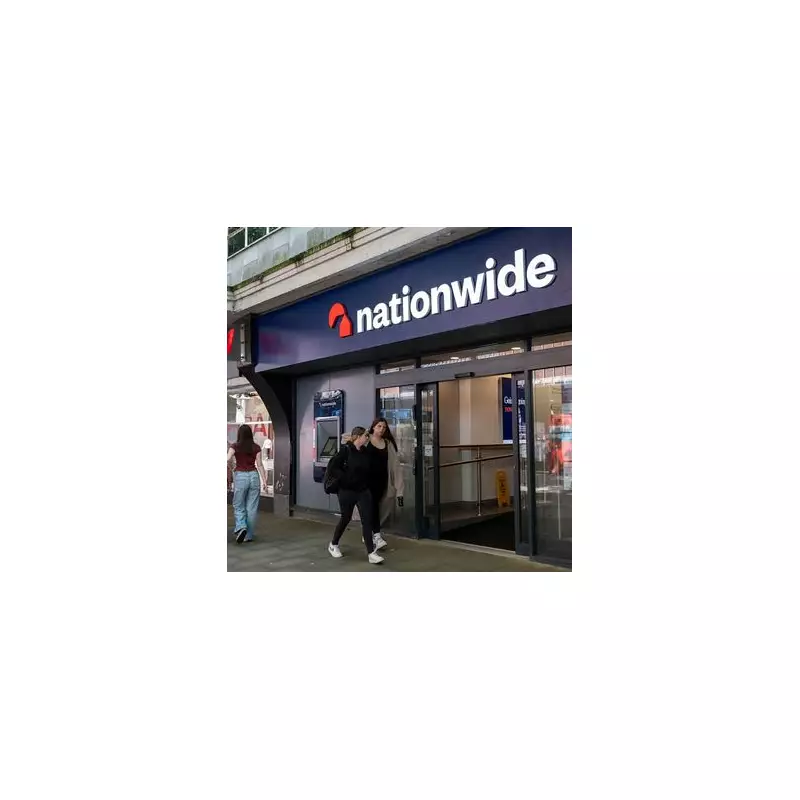
Nationwide Building Society has issued an urgent alert to its members after a customer raised the alarm over a suspicious letter falsely claiming to be from the financial institution.
What is the Nationwide scam letter?
The fraudulent letter, which was received by a household, was advertising what it called exclusive fixed rate offers. The correspondence stated these were being made 'in collaboration with Raisin', a legitimate savings platform. However, the recipient became suspicious about its authenticity and rightly contacted Nationwide for verification.
This method is a classic phishing tactic used by criminals. Scammers impersonate trusted banks or organisations to deceive people into handing over sensitive personal or banking information, which can then be used for fraud.

Nationwide's official response and investigation
In a statement issued on December 7, 2025, Nationwide confirmed the letter was not genuine. A spokesperson said: "Just to confirm that this isn't an official letter from Nationwide, we will send this onto our Economic Crime team for their awareness."
When questioned by the Express about whether this was part of a wider campaign, the building society stated: "We’re not aware of any other widespread scam letters, but we take all reports seriously and we are monitoring the situation closely." This indicates that, so far, the issue may be isolated, but vigilance is paramount.
How to tell a real Nationwide communication from a fake
It is important to note that Nationwide does sometimes send legitimate postal communications to its customers regarding savings products. The group explained: "We do communicate with customers to encourage them to get more from their savings by switching accounts to a higher rate. This will include sending customers letters and emails."
The building society gave a recent example, confirming that letters about its 5% Member Bond product were sent out earlier in the year. This highlights the challenge for customers: distinguishing between real and fake mail.
To stay safe, customers should:
- Scrutinise any unexpected letter claiming to be from their bank.
- Never call a number or click a link provided in a suspicious letter without verifying it first through official channels.
- Contact Nationwide directly using the phone number from their official website or a recent statement if in doubt.
- Report any suspected scam letters to the building society and to Action Fraud.
The incident serves as a crucial reminder for all banking customers across the UK to remain alert to postal phishing attempts, which continue to be a favoured tool of financial fraudsters.