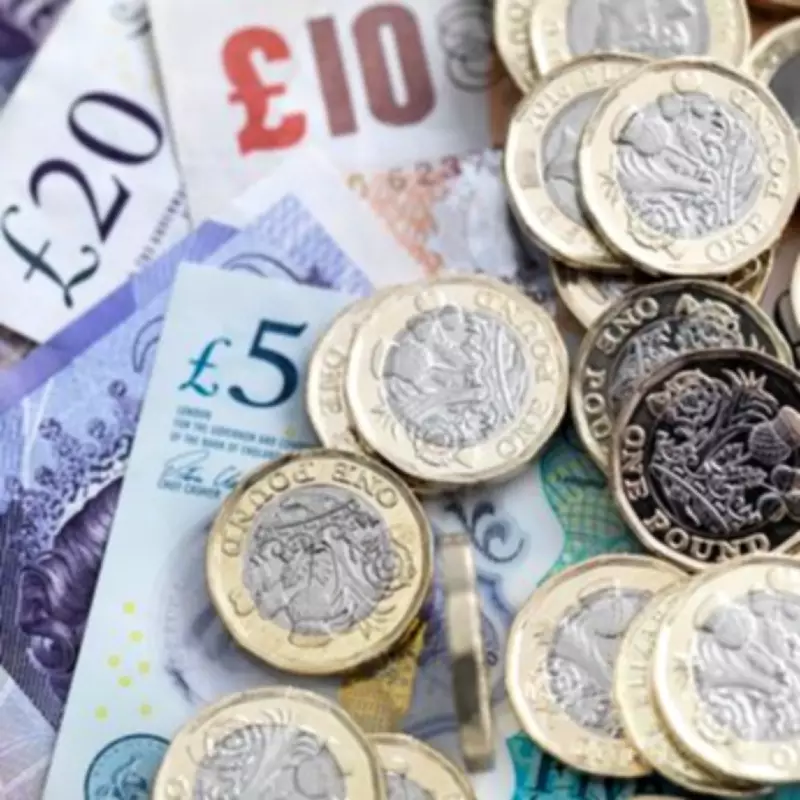
The British Pound has achieved a significant milestone, climbing to its highest valuation against the Euro in five months while concurrently demonstrating notable resilience versus the US Dollar. This upward trajectory marks a promising commencement to February for Sterling, yet economic analysts are quick to temper expectations, emphasising that this rally does not necessarily herald a transformative recovery for the UK economy.
A Notable Surge in Currency Valuation
As of recent trading, the Pound Sterling now commands €1.16 against the Euro, representing its most favourable position since September 2025. This ascent to a five-month peak underscores a period of relative strength for the currency. Simultaneously, its performance against the US Dollar remains robust, having reached $1.38 last week—a level not witnessed since October 2021. Although it has experienced a slight retraction to $1.37 this week, the overall trend remains positive.
Expert Analysis: The Driving Forces Behind Sterling's Strength
Currency specialists point to a confluence of international factors propelling the Pound's recent gains. A primary catalyst is the contrasting monetary policy approaches between the Bank of England (BoE) and the European Central Bank (ECB). The ECB's inclination towards more aggressive interest rate reductions has diminished the Euro's appeal to investors, who are increasingly favouring Sterling for its comparatively higher yields.

Tony Redondo, Founder of Cosmos Currency Exchange based in Newquay, provided detailed insight into the current market dynamics. "The Pound is currently in a ‘sweet spot’, hitting a five-month high against the Euro on the back of ‘risk-on’ sentiment in the global markets and diverging central bank outlooks," he explained.
Redondo further elaborated on the European economic context, noting, "As global stocks rally, investors favour the Pound over the Euro, which is currently weighed down by stagnant growth in Germany and France." This economic sluggishness in two of the Eurozone's largest economies has contributed to the relative weakness of the single currency.
The Crucial Juncture: Thursday's Bank of England Decision
Financial markets are now intently focused on the upcoming base rate announcement from the Bank of England, scheduled for Thursday. Experts unanimously identify this as a critical "pivot point" that will determine whether the Pound can sustain its current rally or face a potential correction.
According to prevailing market analysis, if the BoE maintains its current "hawkish" stance by holding rates at 3.75% and continues to emphasise inflation risks, the Pound may have the foundation to climb even higher. This scenario would reinforce the currency's attractiveness to international investors seeking yield.
Conversely, Redondo cautioned about the fragility of the current situation. "However, this rally is fragile. Sustainability depends on Thursday’s BoE decision. If the Bank signals imminent cuts or expresses concern over UK growth, the ‘carry trade’ advantage will fade, likely pulling the Pound back. Thursday’s meeting is a pivot point that could either cement these gains or trigger a sharp correction."
Broader Economic Context and Cautious Optimism
While the Pound's performance is undoubtedly encouraging for UK businesses engaged in international trade and for British travellers abroad, economists advise against interpreting this as an indicator of a comprehensive "British economic miracle." The currency's strength is largely attributed to external factors—specifically, relative weaknesses in the Eurozone and divergent central bank policies—rather than solely to intrinsic UK economic vigour.
The coming days will be pivotal. The Bank of England's forthcoming policy statement and interest rate decision will provide crucial signals about the UK's economic trajectory and the potential longevity of Sterling's current favourable position in the global currency markets.