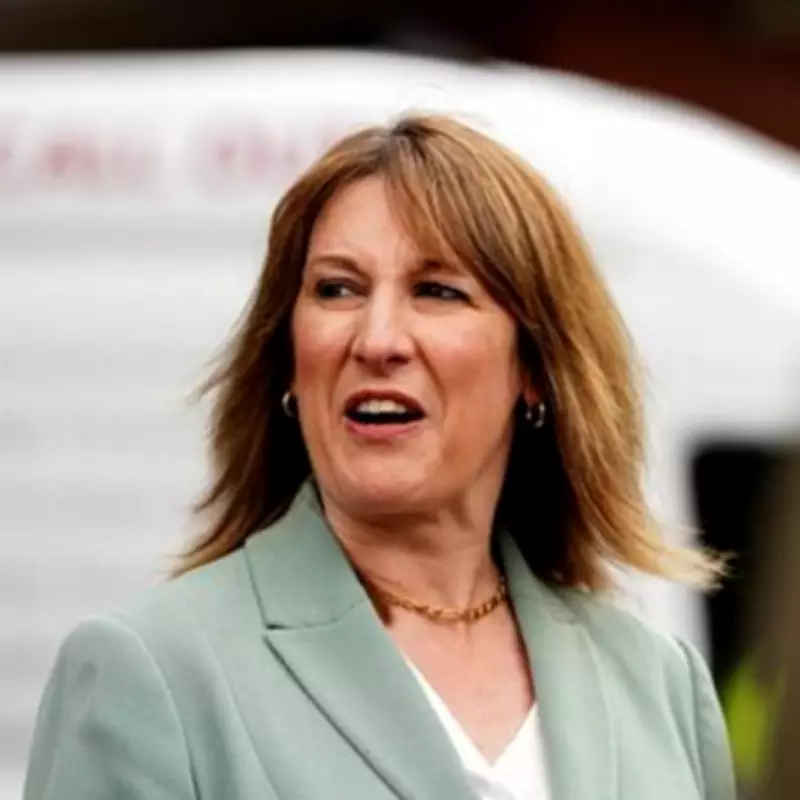
Rachel Reeves is facing calls to spare electric vehicle (EV) drivers who travel 10,000 miles annually from a £52 yearly charge increase. New research from What Car? reveals that the latest Ofgem energy price cap rise could significantly hike home charging costs for EV owners.
Ofgem Price Cap Rise Hits EV Owners
Ofgem confirmed a 13 per cent increase to the energy price cap, effective from July 1, pushing the typical annual household bill to £1,862—up £221 from current levels. This rise, driven by higher wholesale gas prices linked to the ongoing conflict in the Middle East, will particularly impact EV drivers who charge at home.
According to What Car?, the average EV driver covering 10,000 miles per year could face an extra £52 annually. The BMW iX3 is among the most affected models, with its owners seeing the steepest increase.

Calls for Government Action
Labour Party Chancellor Rachel Reeves has been urged to intervene. Simon Francis, coordinator of the End Fuel Poverty Coalition, warned that rising prices are pushing households into debt and leaving pensioners anxious about the coming winter. “The government cannot wait until September to act,” he said.
Gillian Cooper, director of energy at Citizens Advice, highlighted delays in the energy debt relief scheme, which she called a “key tool” to help struggling households. She urged the Treasury to implement it “as soon as possible.”
Dr Craig Lowrey from Cornwall Insight cautioned that further price rises are expected just as winter approaches. He noted that even if the Middle East conflict ended, the damage to infrastructure and supply chains would keep bills elevated. “Households should not be banking on lower bills later in the year,” he added, stressing the need for short-term support from Ms Reeves.
Ofgem noted that current prices remain below the peak of the 2022 energy crisis, but the increase will still strain many households already grappling with high costs.