Santander Announces 18 UK Branch Closures in 2026
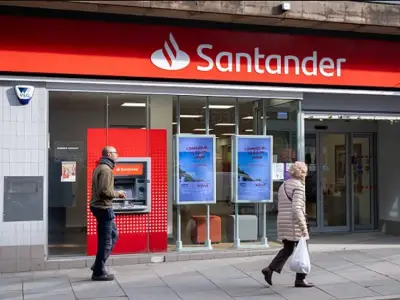
Santander has confirmed plans to close 18 of its bank branches across the United Kingdom in 2026, continuing a trend of reducing physical banking locations as customers increasingly embrace digital services. The decision follows similar announcements from other major banks, including Lloyds, last year, with the shift towards mobile and online banking cited as the primary driver.
Digital Banking Trends Driving Change
Nick Quin, Chief Corporate Affairs Officer at LINK, highlighted the ongoing transformation in consumer behaviour. "More people are choosing to bank and pay for things digitally," he stated. "Many rely entirely on their smartphones when they leave home, often not carrying cash or even a wallet." Despite this digital surge, cash remains vital for millions, with over £76 billion withdrawn from LINK cash machines in the previous year. LINK commits to assessing the impact of each closure to determine if additional cash services are necessary.
Expanding Alternatives for Cash and Face-to-Face Services
Gareth Oakley, CEO of Cash Access UK, emphasised the growth of banking hubs as a solution for those who still depend on cash and in-person banking. "The way people are banking is changing, but for those who rely on cash, more banking hubs are opening every week," he explained. Over 200 hubs have been established, including 100 in 2025 alone, serving customers from all major high street banks in one convenient location. These hubs are becoming increasingly popular, handling an average of around 150 customer transactions daily.

Oakley added: "There's a real buzz about them. Hubs, alongside deposit services and other new cash solutions, will continue to help businesses and consumers access and deposit cash when needed."
Full List of Santander Branches Closing in 2026
The 18 Santander branches scheduled for closure across the UK in 2026 are:
- Bexhill, East Sussex
- Billericay, Essex
- Dover, Kent
- Droitwich, Worcestershire
- Dunstable, Bedfordshire
- East Grinstead, West Sussex
- Holyhead, Gwynedd
- Ilkley, West Yorkshire
- Larne, County Antrim
- Lytham St Annes, Lancashire
- Maldon, Essex
- Morley, West Yorkshire
- North Walsham, Norfolk
- Redcar, Cleveland
- Saffron Walden, Essex
- Turriff, Aberdeenshire
- Uckfield, East Sussex
- Urmston, Greater Manchester
This move reflects broader industry shifts as banks adapt to evolving customer preferences, while efforts to maintain cash access and community banking services through alternative means continue to expand.