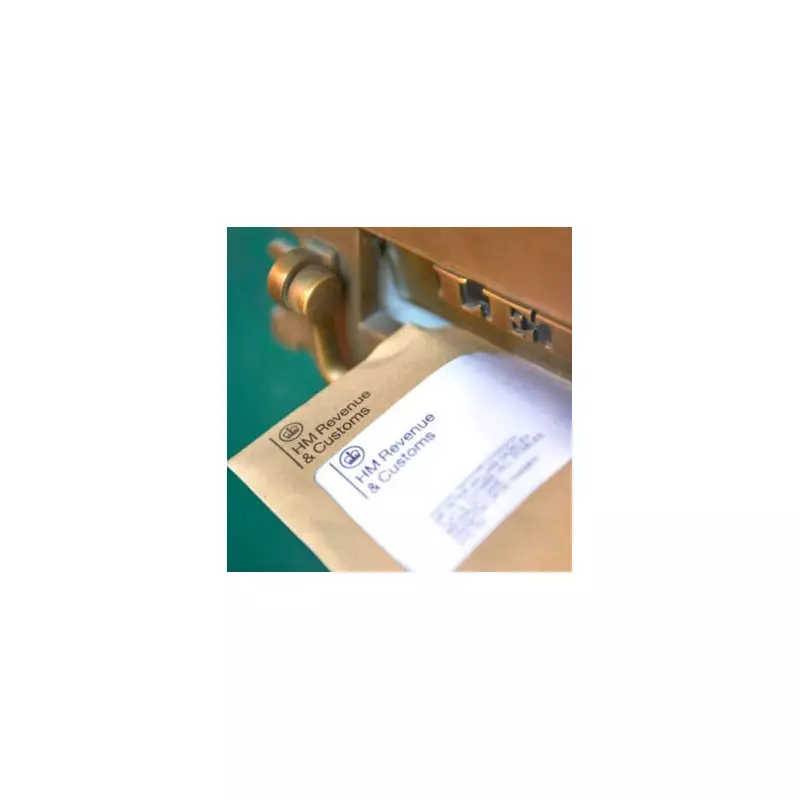
Millions of working households across the UK are reportedly set to receive an annual bill of around £500 from HMRC following a dramatic tax shake-up by the Labour Party government.
Understanding the Proposed Tax Changes
According to reports, the Chancellor is preparing to increase the basic, higher, and additional rates of dividend tax. This move, rumoured to be announced after next week, could raise an estimated £2 billion in extra revenue for the Treasury.
Financial services firm IG has warned that a specific four-point increase in the basic rate of dividend tax would impact approximately 3.2 million taxpayers. Research from the Institute for Fiscal Studies (IFS) suggests this could translate into an average annual bill of £500 per person for those affected.

Industry and Political Backlash
The potential changes have sparked significant criticism from industry leaders and political opponents. Michael Healy, UK Managing Director at IG, stated that such a tax increase would hurt millions and directly contradict the government's ambition to foster a nation of investors.
Healy urged the government to "keep its hands off our investments," arguing that "any raid on dividend tax or other investment incomes sends completely the wrong message" to savers. He emphasised that at a time when households are trying to grow their wealth and the UK stock market needs long-term capital, making investing less attractive is counterproductive.
The Conservative shadow chancellor, Sir Mel Stride, accused Chancellor Rachel Reeves of going back on her word by planning further tax rises. He labelled the potential change "another hammer blow for investment, saving and wealth creation in this country," placing the blame for the "budget black hole" squarely on the government's spending decisions.
Government Stance and Next Steps
In response to the speculation, a Treasury spokesman maintained its standard position, stating: "We do not comment on speculation around changes to tax outside of fiscal events."
This leaves working households, pensioners, and investors awaiting official confirmation, which could come as soon as the upcoming fiscal announcement. The outcome will determine whether millions will indeed see their investment taxes rise significantly in the near future.