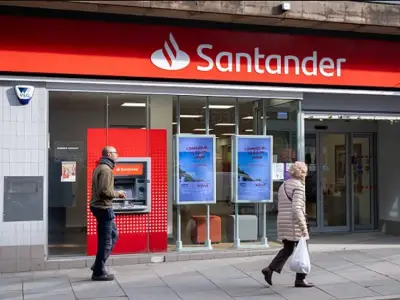
Households across the UK are being warned they could see their bank accounts drained by £1,000 'within seconds' if they fall victim to a surge of festive fraud. The alert comes ahead of a predicted peak in criminal activity next Thursday, dubbed the '12 Scams of Christmas' by security experts.
The 12 Scams of Christmas: What to Watch For
Personal finance specialists, citing a warning from Check Point Software's Ian Porteous in The Sun, state that cybercriminals are exploiting the season's high volume of digital activity. "Cybercriminals love Christmas just as much as shoppers do, but for all the wrong reasons," said Ian Porteous, Regional Director for Security Engineering. "This time of year, people are more exposed due to the sheer volume of digital interactions."
The extensive list of seasonal threats includes:

- Fake gift cards and e-gift cards containing malware.
- Phishing emails and texts offering bogus gifts or discounts.
- Scams involving non-existent second-hand goods on resale platforms.
- Fake courier messages and payment failure alerts.
- Fraudulent charity appeals and travel booking sites.
- Dangerous public Wi-Fi networks and upfront fee frauds.
Porteous advised: "Stick to trusted platforms, use secure payment methods, and be wary of prices that look too good to be true." He also highlighted the risk of SIM card cloning, urging people to enable two-factor authentication and add extra verification with their mobile provider.
How to Protect Your Money and Data
Experts are urging the public to adopt stringent safety measures during the festive shopping period. Key advice includes never opening e-cards from unknown senders, ensuring device security software is updated, and always checking for 'HTTPS' in a website's URL before entering any payment details.
"Cybercriminals create lookalike holiday booking sites and apps to steal payment details," Porteous warned. He recommended avoiding downloading travel apps from unknown sources.
What to Do If You Are Scammed
If you suspect you have been targeted, you should forward any suspicious emails to the official Suspicious Email Reporting Service (SERS). Citizens Advice outlines clear steps for victims: first, contact the company involved and your bank to explain what happened and request a refund.
"If you’re not happy with how the bank deals with your claim, you can complain to them," they advise. Should the bank not resolve the issue within eight weeks, the next step is to escalate the complaint to the Financial Ombudsman Service.
With fraudsters operating at peak intensity, vigilance is the most crucial defence for protecting your finances this Christmas.