England to Expand Vaping and Smoking Bans to Outdoor Spaces Near Hospitals and Schools
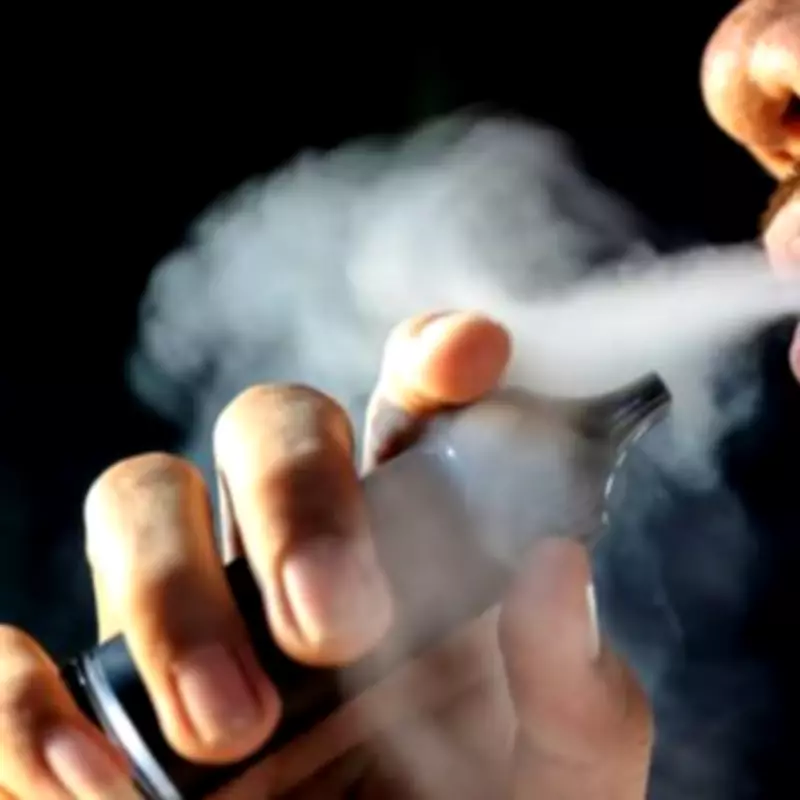
The Department of Health in England has announced plans to extend smoking and vaping bans to additional outdoor areas, specifically targeting locations near hospitals, schools, and children's playgrounds. This initiative aims to safeguard children and vulnerable populations from the harmful effects of secondhand smoke, which can lead to serious health conditions such as heart disease and lung cancer.
New Regulations and Public Consultation
The Labour Party government will launch a public consultation to gather feedback on extending smoking bans to these outdoor spaces. Under the proposed measures, all existing indoor smoke-free zones, including workplaces, public transport, and private vehicles carrying minors under 18, will also become vape-free and heated tobacco-free. This expansion is part of a broader effort to create a healthier environment and reduce pressure on the National Health Service (NHS).
Exemptions and Specifics of the Ban
Certain areas will be exempt from the new regulations. Outdoor spaces near hospitality venues, such as bar, pub, and restaurant gardens, will not be included in the ban. Additionally, "wide-open public spaces" like beaches will remain unaffected. The focus is primarily on high-risk areas where children and sick individuals are most likely to be exposed to secondhand smoke.
Statements from Health Officials
Health Secretary Wes Streeting emphasized the importance of protecting vulnerable groups, stating, "No child in a playground or hospital patient should suffer because someone else chooses to smoke. Second-hand smoke increases the risk of heart disease and lung cancer, and we want to protect children and the sick from harm. Prevention is better than cure, so this government is taking pressure off the NHS and building a healthier Britain where everyone lives well for longer."
Professor Chris Whitty, Chief Medical Officer for England, highlighted the significant health risks associated with secondhand smoke, particularly for children, pregnant women, and those with medical conditions. He noted, "People who do not smoke but who are exposed to second-hand smoke can suffer significant harmful effects on their health, including an increased risk of asthma, poor birth outcomes, several cancers, stroke, and heart disease. No smoker wants to harm people, but with second-hand smoke they do – and these measures would reduce the harm second-hand smoke causes the most medically vulnerable in our society."
Support from Health Organizations
Dr. Charmaine Griffiths, chief executive of the British Heart Foundation, expressed strong support for the government's consultation and proposed legislation. She stated, "No child should have to walk through a cloud of deadly secondhand smoke on their way to the classroom or playground, nor should any patient be exposed to harm on hospital grounds. We strongly support the Government's consultation and the landmark legislation behind it, and we call for urgent implementation to protect everyone from harm."
The proposed bans are part of a comprehensive strategy to improve public health outcomes and reduce the burden of smoking-related illnesses in England. By targeting outdoor spaces where vulnerable populations gather, the government aims to create safer environments and promote longer, healthier lives for all residents.