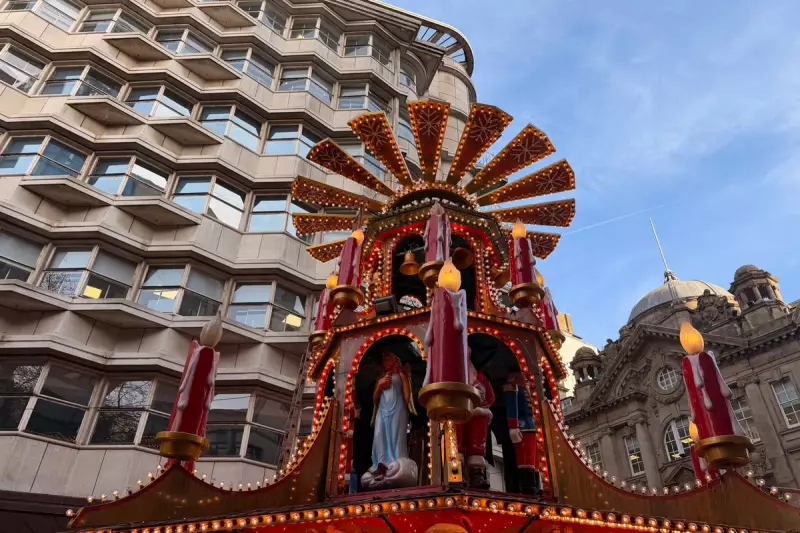
A visit to Birmingham's iconic Frankfurt Christmas Market, a cornerstone of the city's festive season, could become a significantly more expensive tradition in the coming years, according to a new financial forecast.
Projected Price Hikes for Festive Favourites
Analysis conducted by the print and design firm Where The Trade Buys has projected steep price increases for classic Christmas market fare by the end of the decade. The study examined food and drink costs across major UK markets between 2022 and 2025 to model future trends.
The findings indicate that a simple cup of hot chocolate is on track for one of the sharpest rises. Currently averaging £5.98, it is projected to cost £7.79 by 2030. If year-on-year trends hold, that price could reach an astonishing £14.97 by 2040.
Other staples are set to follow a similar trajectory. The price of a bratwurst is forecast to climb from today's average of £8.15 to £10.05 by 2030. Meanwhile, a glass of mulled wine, now typically £6.72, is expected to rise to £8.38 by 2030 and could exceed £13 by 2040.
The Soaring Cost of a Full Festive Experience
The most startling projection concerns the total cost of a typical group visit. Researchers calculated a "basket" of goods including two mulled wines, two hot chocolates, two bratwursts, and one pint of beer.
That festive package currently costs an average of £48.77. By 2030, the same selection is projected to set visitors back £59.73. The cost is forecast to rise further to £73.18 by 2035 and approach a hefty £90 by 2040.
Even specialty drinks are not immune. A Bailey’s hot chocolate, a popular indulgent choice, is predicted to rise from £8.24 to over £10 by 2030, nearing £15 within the next 15 years.
Consumers May Rethink Their Spending Habits
Emma Thompson, Marketing Director at Where The Trade Buys, commented on the potential impact of these rising costs. "Christmas markets remain one of the most popular festive traditions in the UK, but consumers are facing increasing prices each year," she said.
"If that pattern continues, visitors might become more selective about what they buy at Christmas markets in future," Thompson added. She suggested that people may start choosing fewer treats, making shorter visits, or prioritising more affordable markets.
The analysis underscores the financial pressures on the seasonal event. Market vendors have previously pointed to rising energy costs, higher stock prices, and ongoing supply chain challenges as key drivers behind increasing menu prices.
While the tradition is unlikely to disappear, the data presents a clear picture: enjoying the full sensory experience of Birmingham's Frankfurt Christmas Market will likely require a deeper pocket in the years to come.