Political and business leaders across the West Country have united in support of a proposed tourist tax for the Bristol and Bath region, a move they say will boost the local economy and raise crucial funds for transport infrastructure.
What the Tourist Tax Entails
The levy would apply to guests staying in various forms of accommodation, including hotels, B&Bs, guest houses, and holiday rentals. Revenue generated would be directed toward funding local projects, with a particular focus on improving transport networks that benefit both visitors and residents.
West of England Mayor Helen Godwin stated the tax has "the potential" to significantly support and enhance businesses and workers within the tourism sector. "These new powers are a real vote of confidence in our region taking more control of our future," she remarked.
Long-Standing Campaign and Regional Appeal
Council leaders have campaigned for this revenue-raising ability for years. Key supporters include Bath and North East Somerset's (BANES) deputy mayor, Councillor Kevin Guy, alongside past and present Bristol leaders.
The region's global appeal underscores the rationale behind the levy. Bath, a city with such significant heritage that it has been listed by UNESCO twice, featured among the New York Times' 52 must-visit global destinations this year. Meanwhile, Bristol has been named by Lonely Planet as one of the world's best places to visit in 2026.
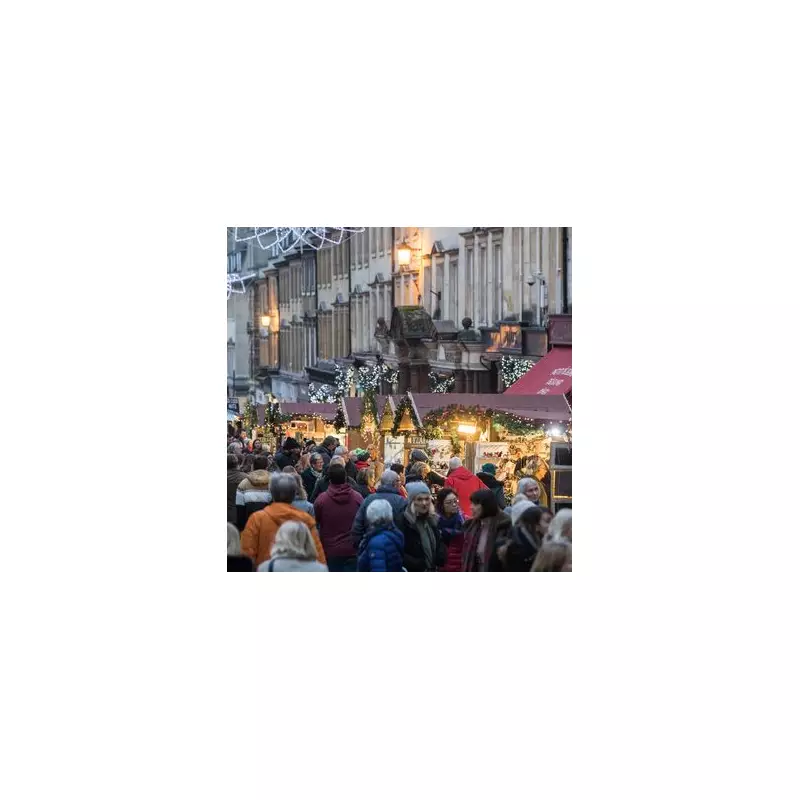
The economic impact is substantial, with Bath alone welcoming tens of thousands of visitors during its annual three-week Christmas Market.
Creating a Fairer System for Tourism
Councillor Kevin Guy emphasised that the levy aims to make tourism work for everyone. "We want to sustain the quality of the visitor experience while protecting the wellbeing of our communities," he said. "The levy should allow a fairer system, one that recognises the costs as well as the benefits of tourism and allows us to reinvest directly into the services and infrastructure that make great visits possible."
While some leaders initially expressed caution, there appears to be growing consensus. Councillor Mike Bell, leader of North Somerset Council, had previously warned about potential "price disadvantages" compared to European destinations. However, he recently acknowledged that leaders must ensure the tourism industry "does not place an additional burden" on strained council finances.
"If a tourism tax enables us to reinvest the income in services that make the area better for both visitors and our residents then I look forward to reviewing the detailed proposals in due course," Bell stated.
Councillor Tony Dyer, leader of Bristol City Council, framed the levy as a strategic measure to strengthen the wider West Country tourism industry. "We will work closely with businesses to get this right and make sure any revenue raised is used in ways that bring real benefits locally for residents, visitors, and the sector itself," he added.
The tax is expected to be formally announced by Chancellor Rachel Reeves in her Budget speech, scheduled for Wednesday. Before any implementation, a consultation with the local tourism sector will take place. A parallel national consultation is currently open on gov.uk for businesses, communities, and other interested parties until February 18.