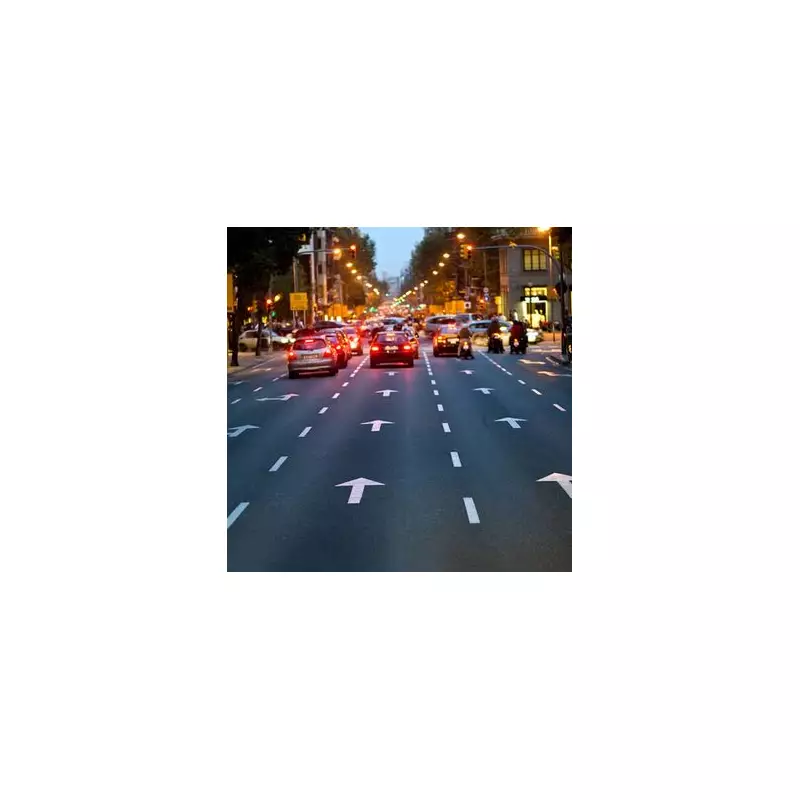
British drivers holidaying in Spain are being warned about stringent new drink-driving regulations that could see them hit with fines of up to £875 and even criminal charges.
Stricter Limits for All Drivers
According to reports from Majorca, Spain is proposing to introduce a new universal blood alcohol limit of 0.2 grams per litre for all drivers, including those using e-scooters and bicycles. This change is anticipated to come into effect in late 2025.
This new threshold is so low that road safety experts, cited by the Majorca Daily Bulletin, caution that consuming even a single small glass of wine or beer could push a driver over the legal limit. The message from authorities is unequivocal: if you plan to drive, the only safe approach is to consume no alcohol whatsoever.
Hefty Penalties and Criminal Consequences
The financial and legal repercussions for breaking this law are severe. For those found with alcohol levels exceeding the legal limit but below the criminal threshold, fines will range from €500 to €1,000 (approximately £875). Drivers will also have points deducted from their licences, with repeat offenders facing higher penalties.
However, the situation becomes far more serious when a driver's alcohol level reaches a specific point. At this stage, the offence is treated as a criminal matter under the Spanish Criminal Code. Potential consequences include:
- Prison sentences of three to six months
- Substantial fines calculated based on personal income
- Community service orders
- Driving bans lasting from one to four years
Furthermore, refusing to take a breathalyser test is itself a separate criminal offence with serious legal consequences.
A Zero-Tolerance Approach
Jesús Monclús, director of the Road Safety and Prevention Area at the Mapfre Foundation, strongly emphasised the need for a zero-tolerance policy. He stated, "The proposal to reduce the limit to 0.2g/l should really be understood as 'not a single alcoholic drink if I'm going to drive,' and should clarify its incompatibility with driving."
Álvaro Gómez, director of the DGT's National Road Safety Observatory, explained the rationale behind the change. "With this reduction in the maximum legal blood alcohol level, we hope to reduce the percentage of drivers who get behind the wheel after consuming alcohol, and thus the associated accidents."
He pointed to international examples, noting that Sweden and Norway, two countries seen as benchmarks for road safety, observed a significant reduction in accidents after implementing a similar 0.2g/l limit.