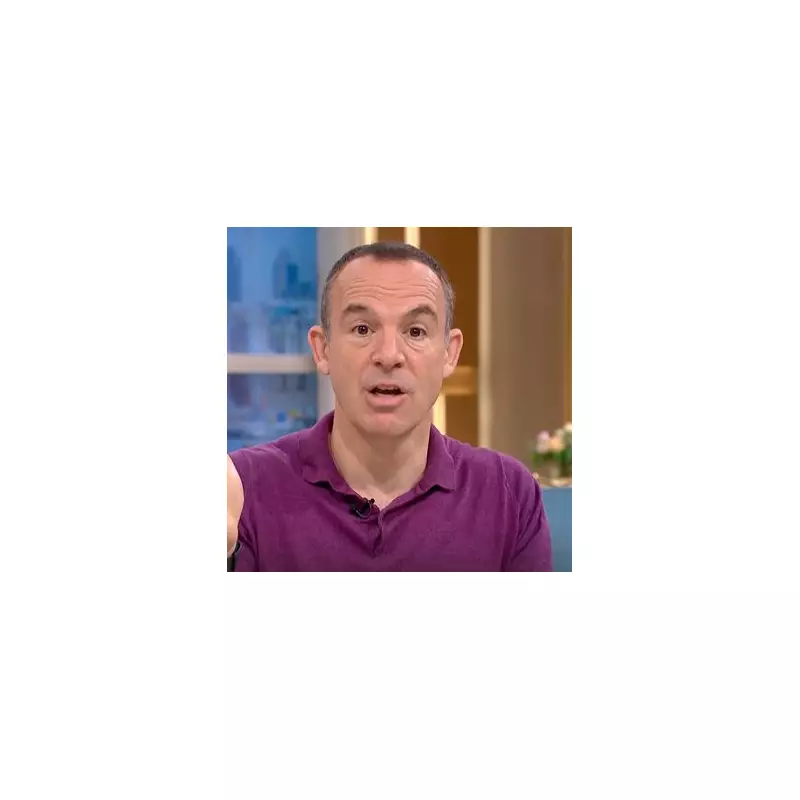
An investigation led by consumer champion Martin Lewis has compelled 28 major UK retailers to overhaul their online returns policies after they were found to be illegally short-changing customers.
Investigation Uncovers Widespread Breaches
The MoneySavingExpert (MSE) team conducted a sweeping review of over 400 popular retail websites back in July. Their investigation revealed that 30 policies failed to meet the legal minimum standards required under consumer protection law.
Among the prominent brands identified were The Range, Home Bargains, and New Look. These companies have since amended their website information following the complaint raised by Martin Lewis and his team.

What Your Legal Rights Actually Are
Under the Consumer Contracts Regulations 2013, customers who purchase items online have a clear set of rights. The law states that you have 14 days after receiving your purchase to notify the retailer that you wish to return an item.
Once you have given this notification, you then have another 14 days to actually send the item back, creating a total potential returns window of 28 days.
There are important exceptions to this rule. The right does not apply to:
- Perishable goods
- Personalised or custom-made items
- Sealed audio, video, or computer software that you have opened
For these categories, you can typically only return items if they are faulty or if the retailer agrees to accept the return.
How Retailers Have Corrected Their Mistakes
Before the investigation, Home Bargains stated online that customers had just 14 days to return orders, failing to mention the separate 14-day notification period. The MoneySavingExpert website correctly identified this as a breach of shoppers' statutory rights.
The company has since updated its policy to reflect the full 28-day timeframe. The Range similarly corrected its policy after previously indicating customers only had two weeks to make returns.
Fashion retailer New Look was also named in the investigation. While the company claimed its policy had always been "fully compliant with statutory consumer rights," it nevertheless updated the wording on its website approximately seven months ago to make the information clearer for shoppers.
A spokesperson for New Look stated: "To ensure our policies are as clear as possible for customers, we updated the wording on our website earlier this year, but there has been no change to our approach."
Martin Lewis Reacts to the Changes
Martin Lewis expressed his satisfaction with the outcome, saying: "I'm delighted that pressure from MoneySavingExpert's investigation has forced these firms to finally correct their websites".
He added with frustration: "It beggars belief that some of the nation's big retailers and their lawyers or compliance officers didn't spot that they were giving out crap information. How can firms expect their shop staff to know the rules if their website information is incorrect?"
Lewis emphasised the real-world impact of these incorrect policies: "The problem with incorrect information is that it risks being a deterrent to people legitimately returning online orders, as if they check a shop's misleading websites, they'll wrongly think they're timed out and may not bother."
He concluded with a clear reminder of consumer rights: "So, it's important for people to know that, as a legal minimum: while you can only return goods bought in-store if they're faulty, buy something online and you have a no-fault right of return (provided it is not perishable or personalised). You have up to 14 days after delivery in which to tell the retailer you're sending an item back, and 14 days after you tell them to return it."
The investigation highlights the importance of businesses properly informing customers of their legal rights before purchases are made. Under the regulations, if a company fails to provide this information correctly, the returns window can be extended to up to one year.