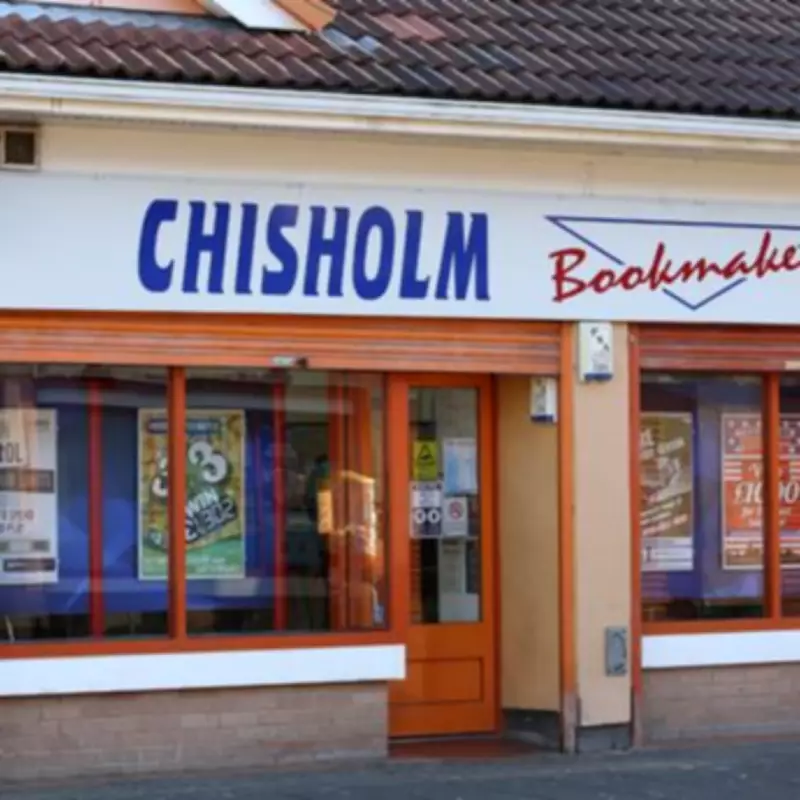
Directors at Northumberland-based bookmaker Chisholm have labelled the past financial year as "disappointing" after the company fell into a loss, grappling with increased operational costs and the pressing need to modernise its gaming machine offerings. The Ashington-headquartered firm, which operates a network of 34 retail shops across the North East alongside its online betting services, has released its accounts for the year ending April 2025, revealing a challenging period marked by declining customer engagement and financial strain.
Financial Performance and Key Challenges
The accounts show a notable downturn in the company's fortunes, with turnover dropping from £29.99 million to £27.1 million over the year. This decline was compounded by a shift from an operating profit of £542,773 in the previous period to a loss of £257,553. A significant factor cited by the directors was the obsolescence of gaming machines installed in their shops, which had become "out of date" and led customers to seek newer models at competing locations. In response, Chisholm has since invested in replacing all gaming machines post-year-end, reporting a substantial improvement in performance as a result.
Rising Costs and Regulatory Pressures
The business faced multiple cost increases that further eroded its profitability. Media rights costs surged by 30% during 2024 and 2025, while above-inflation rises in the National Minimum Wage added to the financial burden. Additionally, the introduction of increased employers' National Insurance contributions in April 2025 had a direct impact, with directors warning that "further increases in taxes present an ongoing risk to the business."
Recruitment difficulties, common across high street retailers, also affected Chisholm, highlighting broader industry challenges. The company emphasised its focus on "high volume, low stake turnover," a strategy tailored to its geographical operations in the North East.
Customer Retention and Regulatory Compliance
Another issue identified was customer resistance to "know your customer" (KYC) information requests, with many ordinary patrons leaving the business due to perceived onerous requirements. Directors expressed surprise at this, noting that the information sought is often no more demanding than that required for supermarket loyalty cards. They hope these customers will return as KYC practices become standardised across retail betting operators.
On the regulatory front, Chisholm acknowledged ongoing risks from legislative changes, stressing the need for a balance between protecting individuals with gambling problems and safeguarding the rights of casual gamblers. The company reported a £100 contribution to a national charity focused on problem gambling research and education, underscoring its commitment to responsible gambling practices.
Future Outlook and Strategic Focus
Looking ahead, directors plan to maintain rigorous cost control and continuously review the viability of their shop portfolio. In a statement within the accounts, they reiterated concerns that regulatory actions aimed at improving online standards might "unnecessarily impact the retail industry." Despite the setbacks, Chisholm remains focused on adapting to market demands and enhancing its retail experience to navigate the evolving betting landscape.