GAME Retail Chain Faces Administration Again as Standalone Stores Shut Down
The UK high street gaming retailer GAME is on the brink of collapse once more, with administrators called in for the second time in just weeks. This alarming development follows closely on the heels of the company's announcement to shut down all its standalone stores across the country.
Administration Proceedings Reinitiated
According to reports from the Sun, GAME filed a notice to appoint administrators on February 11, 2026, merely weeks after the chain first teetered on the edge of insolvency at the end of January. The initial notice of intention to appoint administrators was filed through law firm RPC on January 28, setting the stage for the current crisis.
The timing of this renewed administration move coincides with GAME's strategic decision to close its standalone retail outlets. This includes the popular store located in Merry Hill, which has been a fixture for gaming enthusiasts in the region.

Store Closures and Sales Initiatives
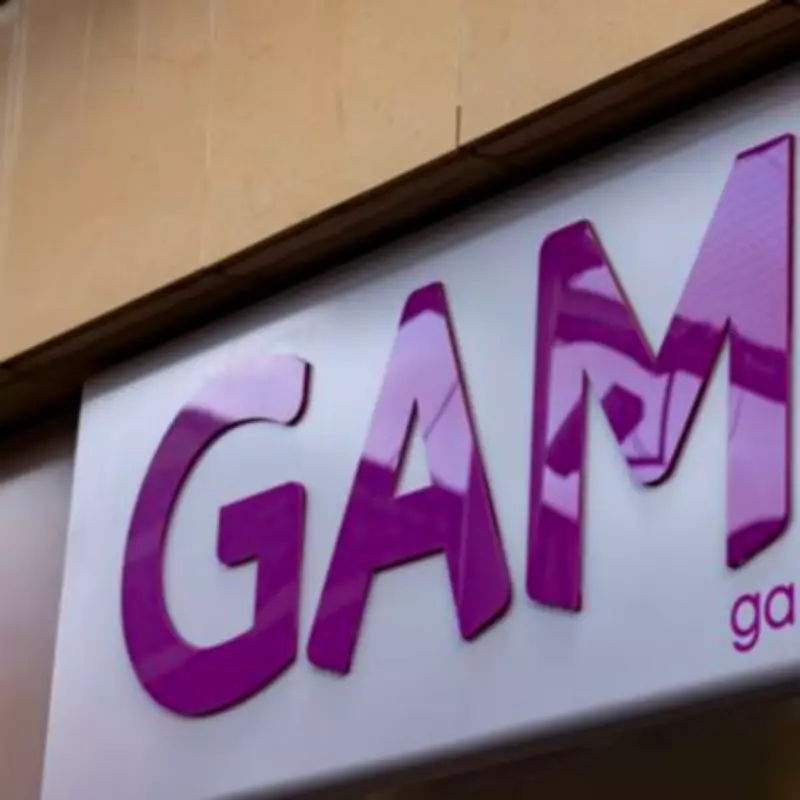
Earlier this month, GAME confirmed the closure of its Merry Hill branch, along with other standalone stores throughout the UK. A sign posted on the window of the Merry Hill shop on January 31 read, "GAME. This store will be closing in APRIL 2026. Please shop online at www.game.co.uk."
Inside the store, located on the bottom floor of the shopping centre, large images proclaimed "Closing down. All stock must go!" accompanied by stickers advertising a 20 percent off sale, indicating a clear push to liquidate inventory ahead of the shutdown.
These forecasted closures come six months after six GAME stores were shuttered as part of a store reduction plan first announced in January 2020, aimed at cutting the chain by approximately 30 stores. Over recent years, GAME has significantly downsized from around 300 stores nationwide to about 240 locations, reflecting ongoing challenges in the retail sector.
Historical Context and Broader Implications
The recent weeks of instability for GAME are reminiscent of 2012, when the company previously fell into administration. At that time, it was rescued by OpCapita the following week, but not before its Australian arm collapsed and its Irish and European divisions, except for branches in Spain, were either sold or closed.
This repeated financial distress highlights the volatile nature of the gaming retail industry, particularly as consumer habits shift towards online shopping. The closure of standalone stores may signal a broader trend of physical retail spaces struggling to compete with digital platforms.
As GAME navigates these turbulent waters, the future of its remaining stores and workforce remains uncertain, with administrators now tasked with managing the chain's assets and potential restructuring efforts.