The recent opening of a well-known fast food chain on our local high street sparked a fascinating divide among residents. While some welcomed the addition as filling an empty unit and expanding dining options, others voiced concerns about litter, parking issues, and potential noise from younger crowds.
The Changing Face of British High Streets
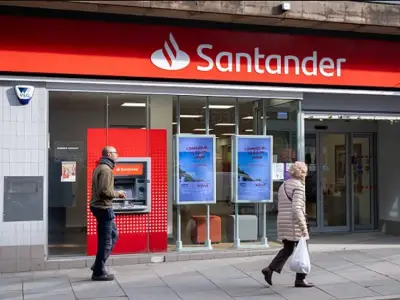
For me, this development speaks volumes about the broader transformation sweeping through town centres across the United Kingdom. In recent years, we've witnessed numerous bank branches closing their doors, with Santander announcing just last week that it will shut its local outlet in May.
The traditional retail landscape has shifted dramatically. The small paint and DIY shop has disappeared, along with the children's shoe store and the fashion retailer that once provided emergency tights or affordable work trousers. Woolworths vanished long ago, followed by the independent stationery shop and the upscale kitchenware store selling beautiful but pricey pots and pans.

What's Replacing Traditional Retail?
Now, charity shops dominate many stretches, interspersed with vacant units likely left empty due to prohibitively high rents. Yet before we become too nostalgic for the days when every high street boasted a butcher, baker, and candlestick maker, it's important to recognise the new arrivals that have found success.
Our town now features a thriving bookshop, a popular bicycle store, a Boots pharmacy, and a new ladieswear boutique that opened just before Christmas. We have an impressive array of hairdressers and nail bars, a cosmetic treatment centre, several tutoring options for children, and a lovely interiors shop perfect for residents of the newly-built flats across the road seeking occasional chairs or decorative coasters. Most noticeably, we have an abundance of restaurants and cafés.
Decline or Transformation?
Is this an ideal retail mix? Perhaps not. But does it create a relatively lively, vibrant atmosphere? Absolutely. We've known for some time that our high streets have been undergoing significant changes. Latest figures reveal that over 13,000 shops closed their doors in 2024 alone, with high business rates, persistent inflation, and fierce competition from online shopping cited as primary causes.
Yet we must ask ourselves: does this represent pure decline, or is it actually transformation? Haven't high streets simply evolved from being places where you purchased your groceries or clothing to becoming destinations for food, leisure, and services?
Adapting to New Realities
This shift won't suit everyone, and I understand why some residents feel disenfranchised by these changes. However, nothing remains static forever. Life progresses, habits evolve, and societies transform. If this weren't true, we'd all still be using goats as currency and sending children up chimneys.
Perhaps it's time to stop lamenting what we've lost and instead adapt to make the most of what we have. Our high streets may look different, but they continue to serve their communities in new and varied ways.
On a lighter note, with the Winter Olympics capturing attention, I've been contemplating my own athletic potential. While summer sports are clearly beyond me given my brick-like swimming and inability to run for a bus, let alone compete in the 800 metres, winter events seem more accessible. Having taken the children skating, I'm convinced an ice dance medal is just a few practice sessions away. Curling appears a natural fit thanks to my mop-handling skills, and having watched John Noakes tackle the Cresta Run in 1975, the bobsleigh holds no fear for me.
True, I've never skied, but I have navigated the icy hill outside our house without fracturing anything, giving me confidence to tackle those challenging black runs. For any doubters, I offer three words of inspiration: Eddie the Eagle.