Before the instant gratification of online shopping, a different kind of retail thrill arrived through the letterbox. For generations growing up in the 70s, 80s, 90s, and noughties, the arrival of a new mail-order catalogue was a major event. These hefty, glossy tomes were the ultimate in escapism, offering a world of aspirational goods from the comfort of your armchair.
Children and adults alike would spend hours poring over the hundreds of pages, meticulously circling their dream birthday or Christmas presents. These catalogues were the size and weight of a small dog, comparable to the now-obsolete phone directory. They were filled with everything from the latest fashion and must-have toys to new microwaves and homewares.
The Golden Age of Catalogue Shopping
The decline of the printed catalogue was not solely due to the rise of e-commerce. A growing public awareness of the environmental impact, specifically the vast number of forests being cut down to produce them, also contributed to their demise. Even iconic catalogues like Argos, which published its final edition in 2020, and IKEA, which stopped printing the following year, eventually succumbed to the digital age.
Below, we revisit the catalogue giants that once ruled British retail, some now completely defunct and others thriving online but having abandoned their printed heritage.
Remembering the Catalogue Giants
Freemans was a titan of the industry. Founded in London in 1905, its first catalogue featured 200 pages of black-and-white illustrations, including a celebrated made-to-measure suit for less than 30 shillings. By the 1930s, it had become the UK's largest mail-order company. It initially focused on fashion but expanded into household appliances. Its pages were graced by famous faces from pop star Lulu in the 70s to Des Lynam in the 90s. In 2023, Freemans announced it would no longer print a catalogue, as it could only showcase a fraction of its 55,000 online products.
Great Universal Stores, affectionately known as the 'Glorious Gussies', began life in Manchester in 1900. Its catalogue was promoted in the 90s as 'making your life easier'. It is understood that the firm stopped printing its catalogue sometime during the noughties.
Littlewoods began in 1923 and published its first catalogue in 1932, featuring hand-drawn illustrations. At its peak, an astonishing 25 million Littlewoods catalogues were reportedly printed each year. Celebrities like Twiggy and George Best modelled for it. However, by 2015, the last ever Littlewoods catalogue was published, and sales moved entirely online.
Grattan, founded in Bradford in 1912, tempted readers with its claim to be the 'best for quality and choice'. The firm still operates online and maintains a number of high street stores.
Burlington was another popular choice, known for its clothing and homewares. During the 90s, it described its catalogue as 'a world of ideas in fashion and the home'.
Kays was founded in Worcester in 1889 and flourished in the second half of the 20th century. It merged with other companies in 2011 and eventually became part of Littlewoods in 2015.
The Rival to Argos
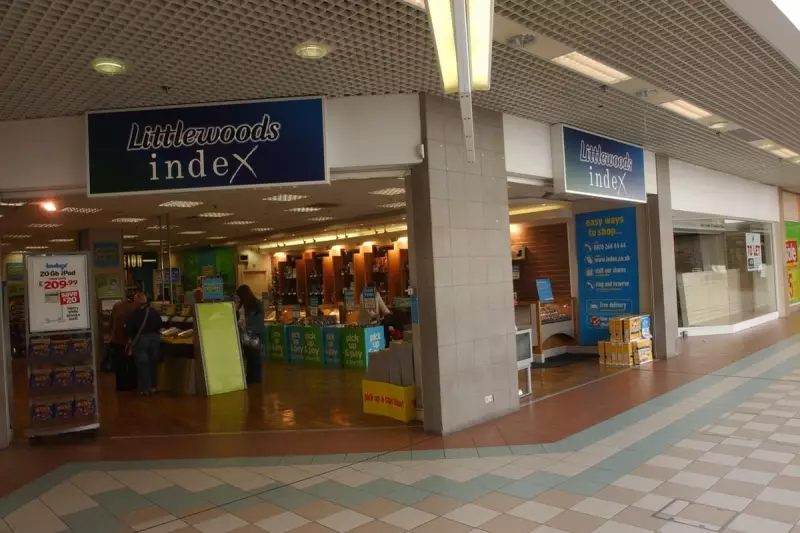
Index was launched by Littlewoods in 1985 and positioned itself as a major rival to Argos. It initially thrived but saw sales decline in the noughties, leading to its closure in 2005. For many shoppers, it was considered a more affordable alternative to Argos, though it was often criticised for not having desired items in stock.
These catalogues were more than just shopping lists; they were wish-fulfilment portals and a shared cultural experience for millions. Their glossy pages hold a special place in the nation's collective memory, representing an era of retail that was slower, more tactile, and filled with anticipation.